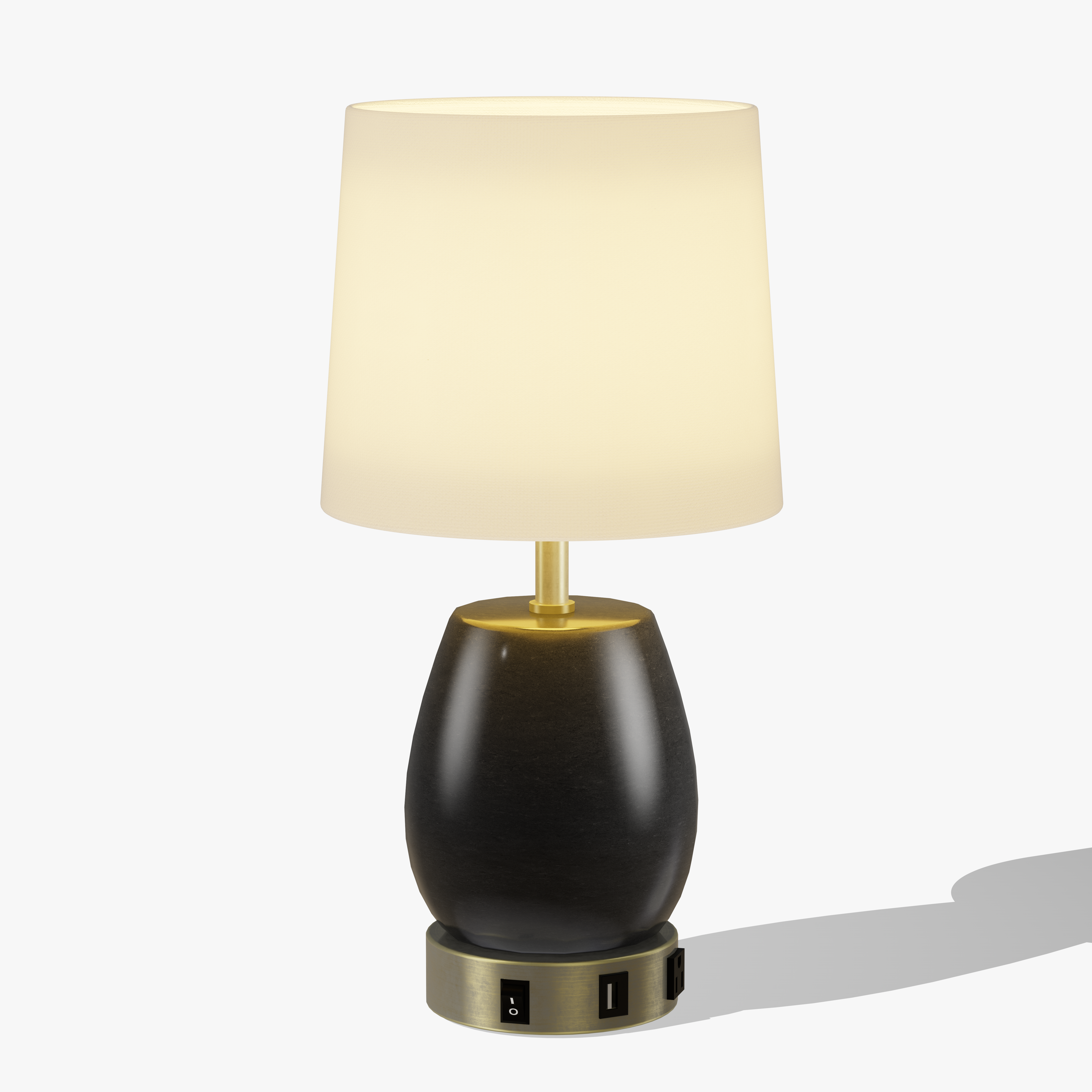
How Custom Hotel Lighting Design Impacts Budget, Guest Experience, and Project Success
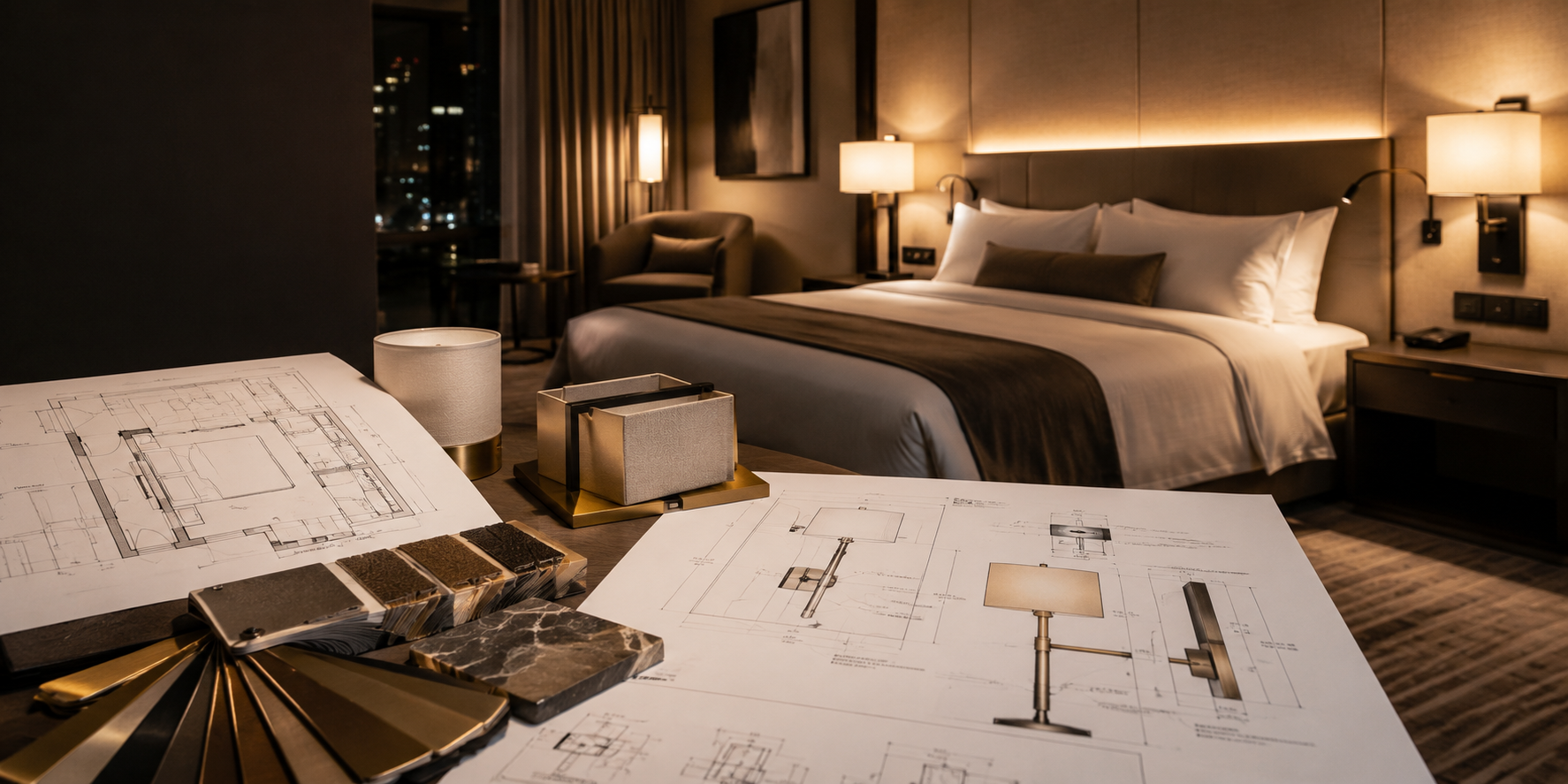
How Custom Hotel Lighting Design Impacts Budget, Guest Experience, and Project Success
Most hotel owners think about lighting after the floor plans are approved, the finishes are selected, and the furniture has been ordered.
Unfortunately, that is often when expensive problems begin.
A poorly planned lighting package can increase project costs, delay production schedules, create installation challenges, generate guest complaints, and lead to higher maintenance expenses for years after opening day.
By contrast, a well-executed custom hotel lighting design strategy improves guest comfort, strengthens brand identity, supports operational efficiency, and helps keep construction schedules on track.
In hospitality development, lighting is not simply a decorative element. It is a critical component that connects interior design, engineering, procurement, manufacturing, and guest experience.
This guide explains how custom hotel lighting design affects every stage of a hospitality project—from concept development to final installation—and why early lighting decisions often determine whether a project runs smoothly or encounters costly setbacks.
Why Hotel Lighting Design Matters More Than Most Hotel Owners Realize
Guests may never remember the exact lamp beside their bed.
They will remember how the room felt.
Lighting influences mood, comfort, perception, and usability more than almost any other design element.
A luxury hotel with poor lighting can feel ordinary.
A well-designed midscale property can feel significantly more premium.
Successful hotel lighting design affects three major areas:
Guest Experience
Lighting supports nearly every guest activity.
Guests use lighting to:
- Read in bed
- Work at a desk
- Prepare in the bathroom
- Navigate the room at night
- Relax before sleeping
When lighting is poorly planned, guest satisfaction suffers.
Common complaints include:
- Rooms that feel too dark
- Glare from exposed light sources
- Insufficient reading light
- Poor vanity illumination
These issues often appear in online reviews and guest satisfaction surveys.
Hotel Brand Identity
Lighting is one of the most powerful tools for expressing a hotel's design concept.
A boutique hotel may prioritize warm decorative fixtures and intimate atmospheres.
A luxury hotel may emphasize layered lighting and statement pieces.
A business hotel may focus on functional illumination and visual comfort.
Custom hotel lighting design helps transform a brand vision into a physical environment.
Long-Term Operating Costs
Lighting decisions affect more than appearance.
They also influence:
- Energy consumption
- Maintenance requirements
- Replacement frequency
- Housekeeping efficiency
- Inventory management
Good design reduces overhead costs throughout the life of the property.
How Poor Lighting Design Increases Project Costs
Many hospitality projects focus heavily on fixture pricing while overlooking the financial impact of design decisions.
In reality, poor lighting design often costs more than the fixtures themselves.
Expensive Design Revisions
When fixture specifications are not finalized early, changes frequently occur after engineering has begun.
Common examples include:
- Finish changes
- Shade modifications
- Dimension adjustments
- Dimming system revisions
- Mounting changes
Each revision requires additional engineering, documentation, and production adjustments.
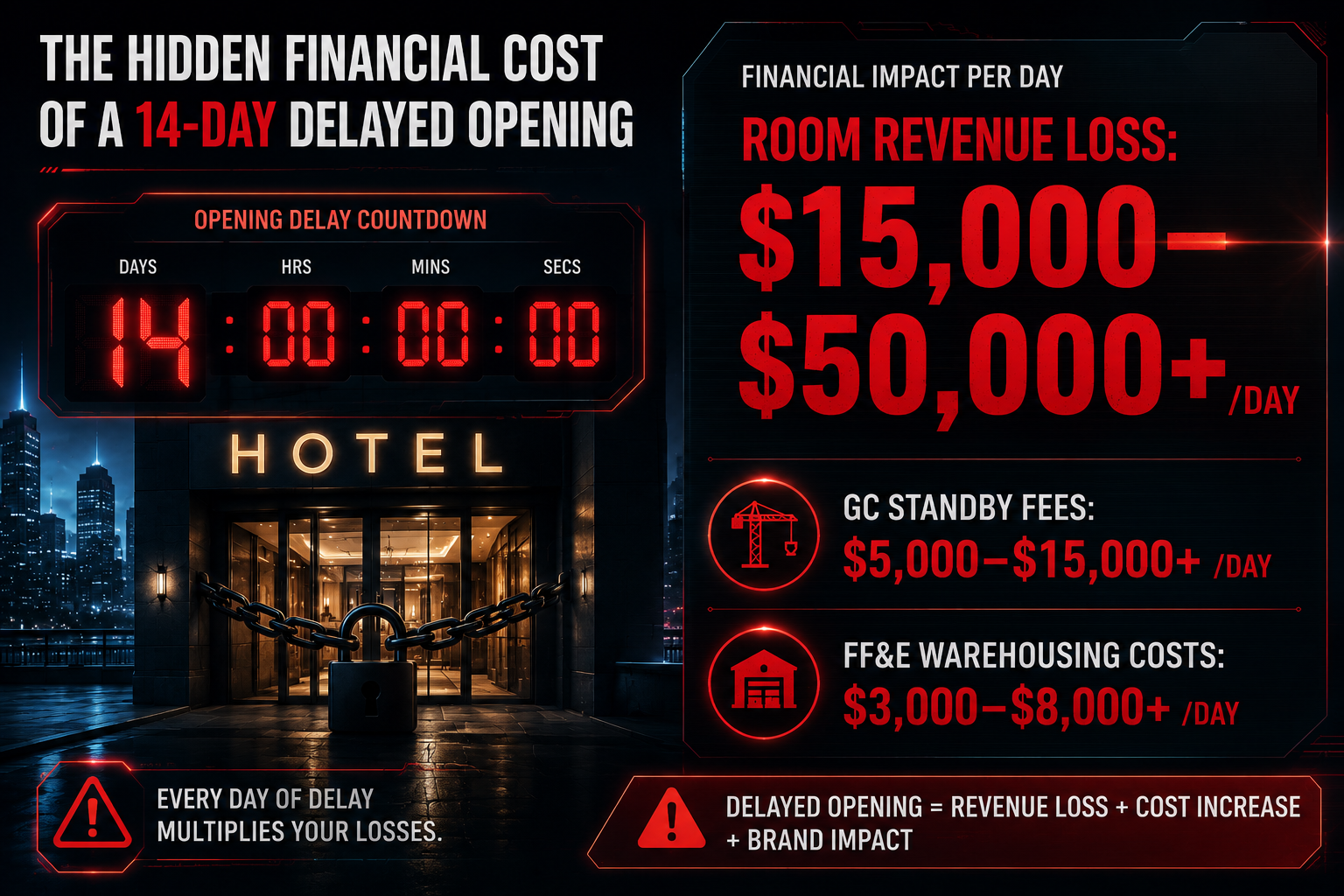
What appears to be a minor design change can add weeks to a project schedule.
Manufacturing Complexity
Custom fixtures often require specialized materials, finishes, or fabrication methods.
Without proper planning, manufacturing costs increase through:
- Additional tooling
- Prototype revisions
- Material waste
- Production interruptions
Early design coordination helps eliminate unnecessary costs.
Installation Challenges
Fixtures that look attractive in renderings may create installation problems on site.
Poor coordination between design and engineering often leads to:
- Mounting conflicts
- Electrical incompatibility
- Ceiling modifications
- Contractor change orders
The result is additional labor and project delays.
How Hotel Lighting Design Directly Affects Guest Experience
Guests rarely evaluate lighting consciously.
However, they immediately notice when lighting does not support comfort and convenience.
Guest Room Lighting
Guest rooms require multiple lighting layers.
Typical fixtures include:
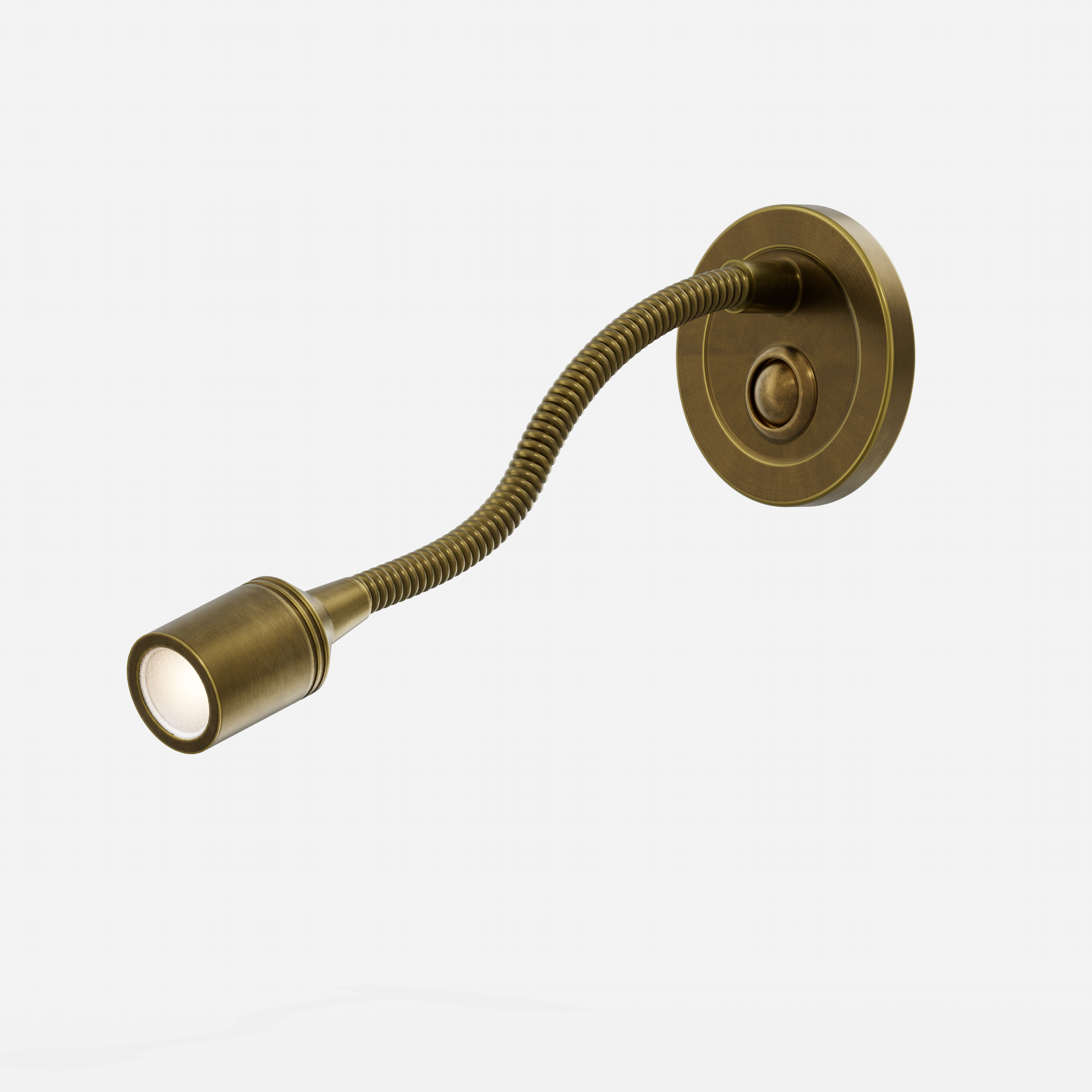
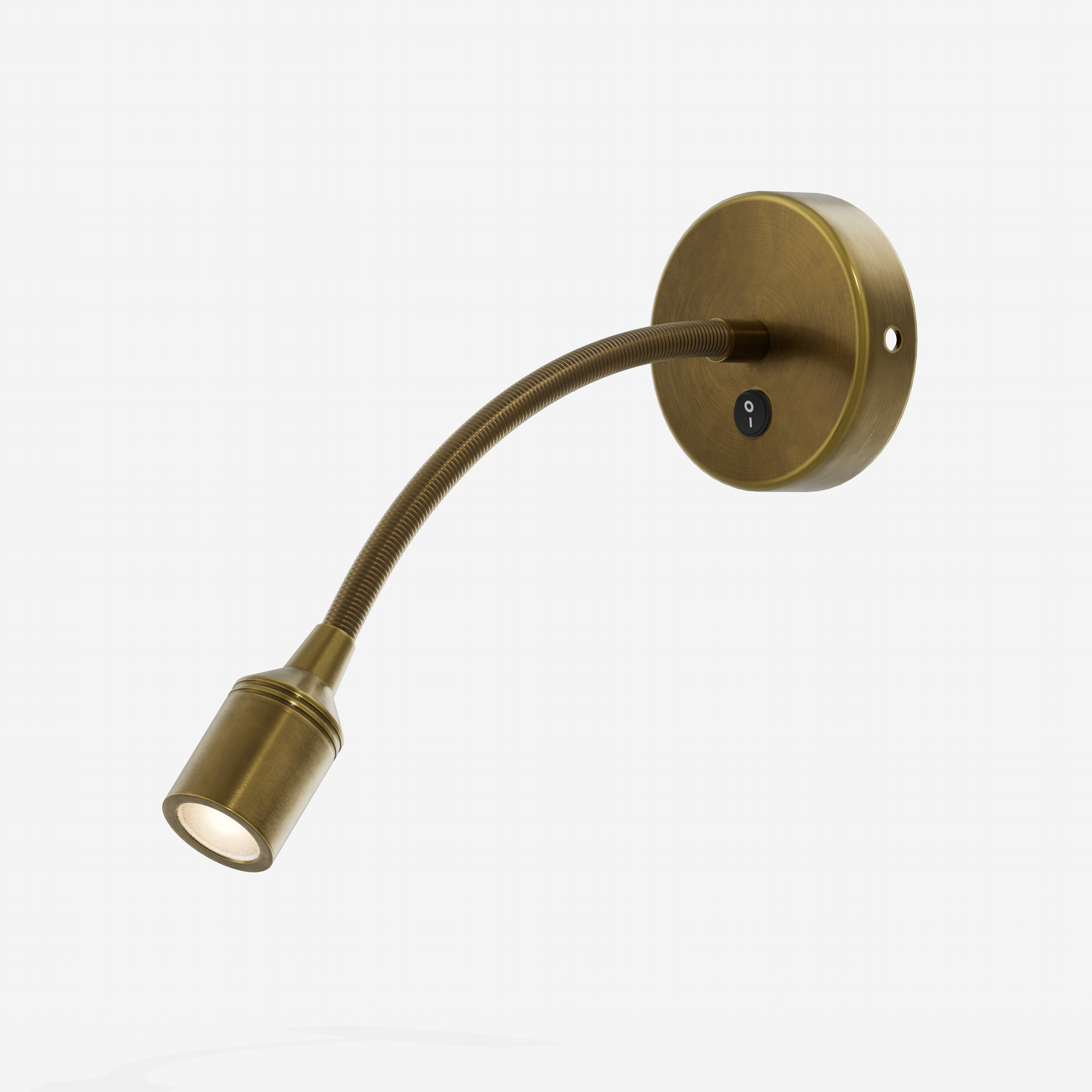
- Bedside reading lamps
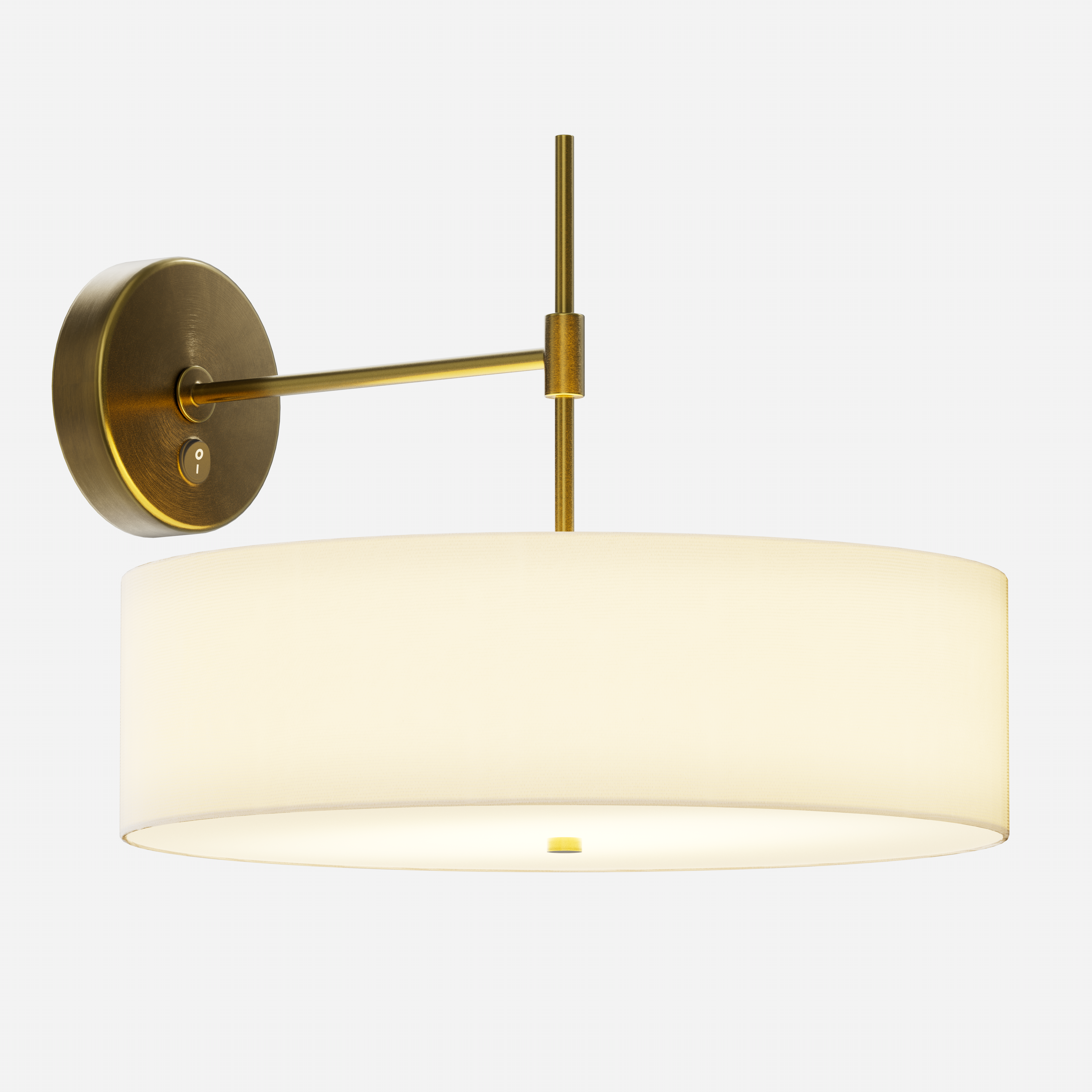
- Decorative table lamps
- Desk lamps
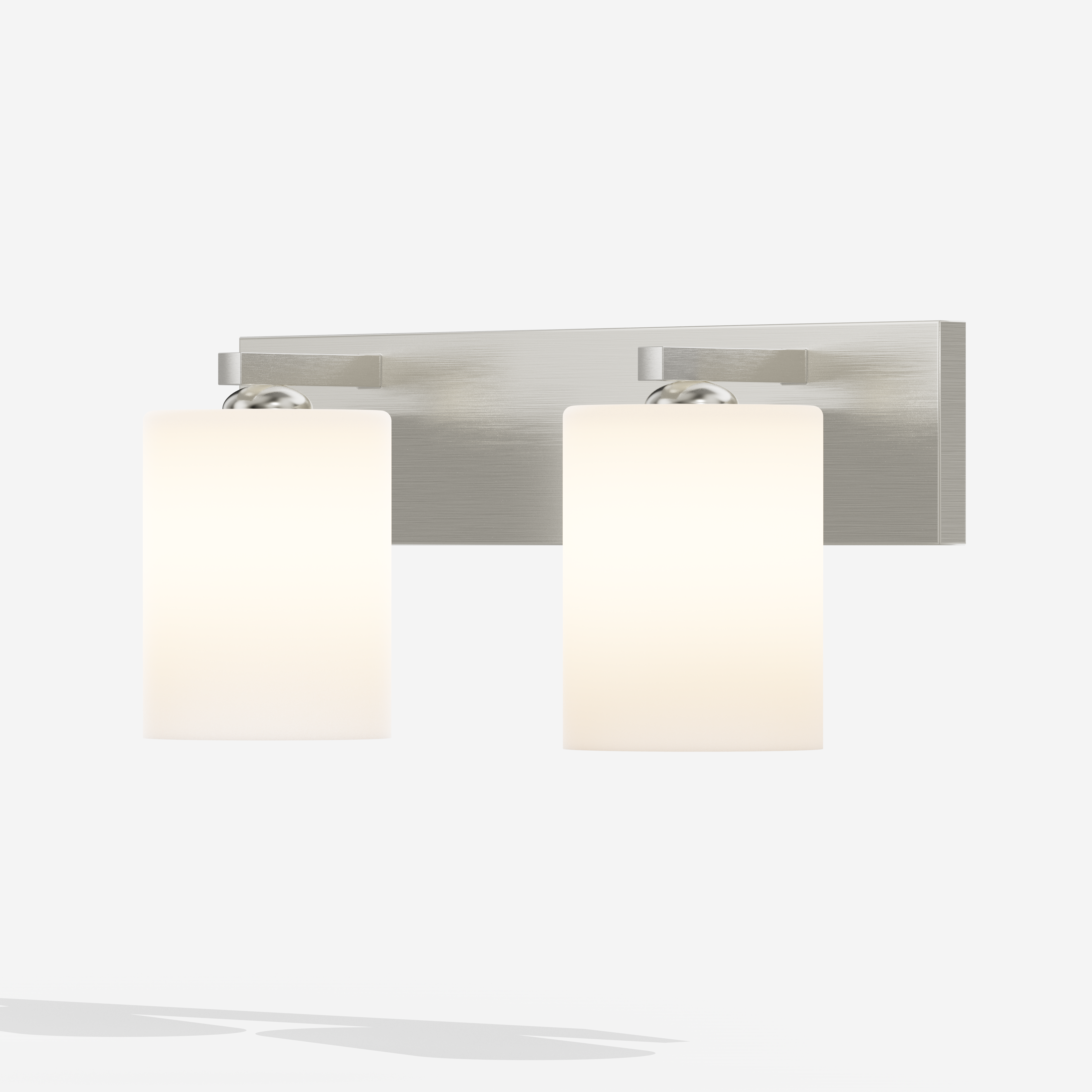
- Bathroom vanity lights
- Entryway lighting
Each fixture serves a different purpose.
The most successful guest room lighting designs create flexibility without overwhelming the space.
Hotel Lobby Lighting
The lobby establishes first impressions.
Hotel lobby lighting design should support:
- Check-in operations
- Social interaction
- Waiting areas
- Architectural features
A combination of ambient, task, and accent lighting typically produces the most balanced result.
Public Space Lighting
Restaurants, bars, corridors, and meeting rooms each require different lighting strategies.
Lighting levels, fixture styles, and color temperatures should reflect the intended guest experience.
Common Hotel Lighting Design Mistakes
After supporting hospitality projects across North America, several recurring mistakes appear consistently.
Selecting Fixtures Before Defining Lighting Goals
Many projects begin by choosing decorative fixtures before determining how spaces will function.
The result is often beautiful lighting that fails to support guest needs.
Ignoring Maintenance Requirements
Hospitality environments operate continuously.
Fixtures must allow efficient cleaning, servicing, and replacement.
Difficult-to-maintain fixtures increase operational costs year after year.
Underestimating Lead Times
Custom hotel lighting requires:
- Engineering
- Sample production
- Approval cycles
- Manufacturing
- Quality control
- Logistics
Ignoring these steps creates schedule pressure later in the project.
Making Changes After Production Approval
Late design changes remain one of the leading causes of project delays.
Even small modifications can trigger:
- New shop drawings
- Material reorders
- Production rescheduling
- Shipping delays
How Custom Hotel Lighting Reduces Long-Term Maintenance Costs
The most successful hospitality projects consider ownership costs from the beginning.
Durable Materials
Commercial hospitality environments require fixtures capable of withstanding years of use.
Popular materials include:
- Brushed brass
- Satin nickel
- Powder-coated steel
- Frosted glass
Material selection directly affects maintenance frequency.
Standardized Components
Whenever possible, projects should utilize standardized LED drivers and serviceable internal components.
This simplifies future maintenance and replacement.
Consistent Fixture Specifications
Using consistent fixture families throughout the property reduces:
- Spare parts inventory
- Maintenance training requirements
- Replacement complexity
Consistency improves operational efficiency.
From Design Concept to Manufacturing Reality
Many lighting designs appear excellent on paper.
Successful execution requires transforming concepts into production-ready products.
Design Development
The process begins with:
- Interior design concepts
- Color palette development
- Fixture schedules
- Lighting performance goals
These decisions establish the foundation for the project.
Engineering Review
Before manufacturing begins, technical teams evaluate:
- Structural integrity
- Mounting requirements
- Electrical compatibility
- Certification requirements
This stage helps identify issues before they become expensive.
Sample Approval
Physical samples allow project teams to verify:
- Finish quality
- Scale
- Functionality
- Design intent
Approving samples before production reduces risk.
Manufacturing and Logistics
After approval, fixtures enter production.
Project schedules should include realistic allowances for:
- Quality control inspections
- Packaging
- International shipping
- Customs clearance
Reliable planning protects the overall project timeline.
Choosing the Right Custom Hotel Lighting Manufacturer
A lighting manufacturer should function as a project partner rather than simply a supplier.
Hospitality Experience
Manufacturers with hospitality experience understand:
- Guest room requirements
- Public space challenges
- Brand standards
- Construction schedules
Experience often prevents avoidable project problems.
Engineering Support
Strong engineering teams provide:
- CAD drawings
- Shop drawings
- Technical documentation
- Manufacturing recommendations
Engineering support is particularly valuable for custom hotel lighting projects.
Compliance and Certifications
Projects targeting North America frequently require:
- UL Listed products
- ETL Listed products
- Damp location ratings
- Wet location ratings
Certification planning should begin during design development rather than after production starts.
Quality Control Systems
Ask manufacturers about:
- Incoming material inspections
- Electrical testing procedures
- Finish consistency controls
- Packaging standards
Strong quality control reduces project risk.
Hotel Lighting Design Checklist Before Production
Before approving production, verify the following:
✓ Lighting specifications are complete
✓ Fixture schedules match architectural drawings
✓ Materials and finishes are approved
✓ Shop drawings are signed off
✓ Samples are approved
✓ Certification requirements are confirmed
✓ Production timelines are documented
✓ Packaging standards are reviewed
✓ Logistics schedules are established
✓ Design revisions are finalized
A checklist-driven approach reduces costly surprises later in the project.
Conclusion
Custom hotel lighting design affects far more than aesthetics.
It influences guest satisfaction, project budgets, construction schedules, maintenance costs, and long-term operational performance.
The most successful hospitality projects treat lighting as a strategic investment rather than a decorative afterthought.
By aligning interior design objectives, engineering requirements, manufacturing capabilities, and procurement planning early in the process, hotel owners and designers can create lighting environments that support both memorable guest experiences and successful project outcomes.
In hospitality development, great lighting is not simply about making spaces brighter. It is about creating spaces that work better—for guests, operators, and project teams alike.