How to Choose a Wall Sconce for Hotels and Hospitality Projects
Selecting a hotel wall sconce affects installation, maintenance, guest comfort, and overall project quality. This practical guide helps designers and procurement teams make informed decisions with confidence.
How to Choose a Wall Sconce
Whether you’re a meticulous interior designer or a hotel procurement manager on a tight budget, installing a wall sconce involves a series of key trade-offs:
How should the installation height and traffic flow be planned? Will it blend seamlessly into the existing space? Is a flexible plug-in connection or a more integrated hardwired connection better suited for the project? When faced with complex craftsmanship requirements, how should you select the finish and style?Will it be easy to install and maintain efficiently during ongoing operations?
Addressing these common engineering challenges, Minoze draws on years of experience in commercial lighting manufacturing to provide standard solutions for each of these issues.
This guide moves beyond purely aesthetic considerations and offers an in-depth analysis of how to precisely select hotel wall lamps from the perspectives of practical project execution, supply chain integration, and long-term operation and maintenance.
Why do wall sconces play a critical role in hotel projects?
In high-end hotel projects, the engineering value of wall sconces far exceeds their decorative function.
Whether installed in guest rooms or public areas, wall sconces directly impact:
“The lighting performance of wall sconces is a key factor in determining the quality of a space.
In guest rooms, their installation height and illuminance distribution directly influence guests’ comfort and sense of privacy; in public areas, proper layout and color temperature settings not only contribute to visual aesthetics but are also essential for ensuring safe traffic flow and enhancing brand recognition.
Minoze is committed to achieving a precise balance between functional performance and architectural aesthetics through rigorous lighting craftsmanship.”
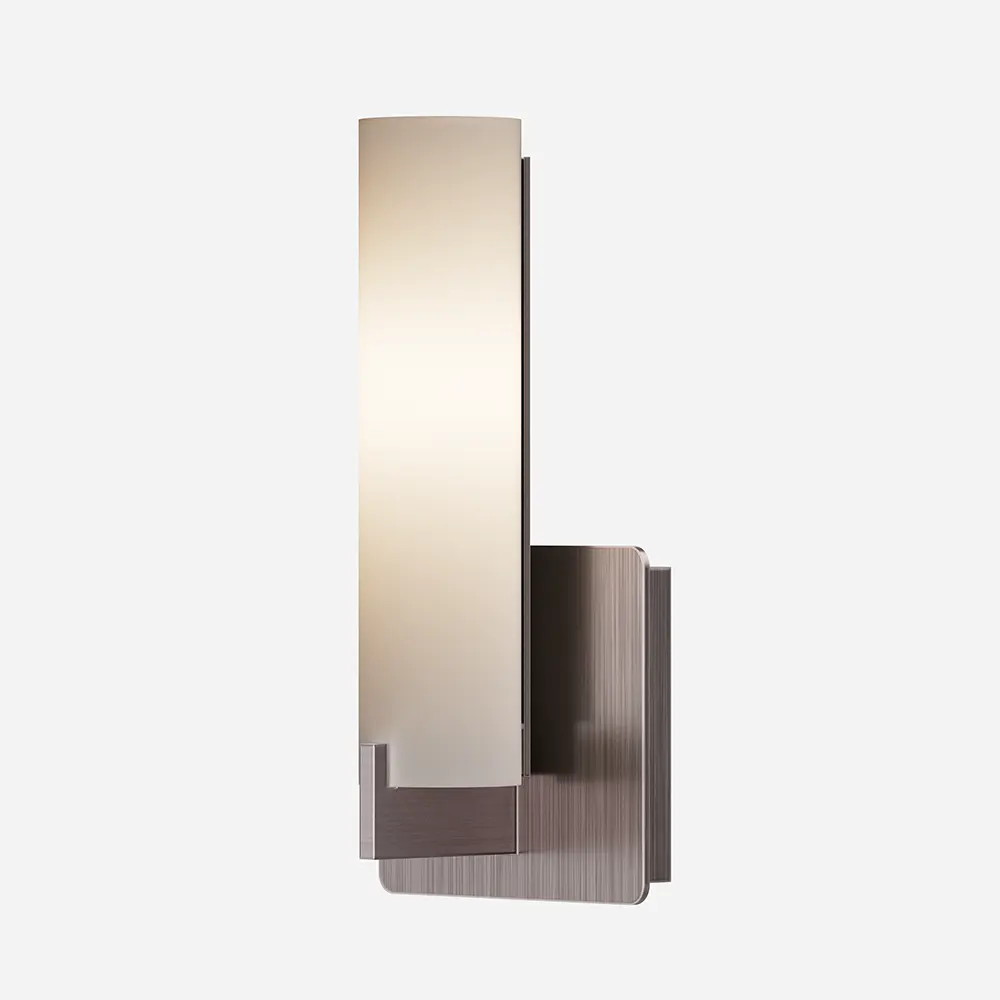
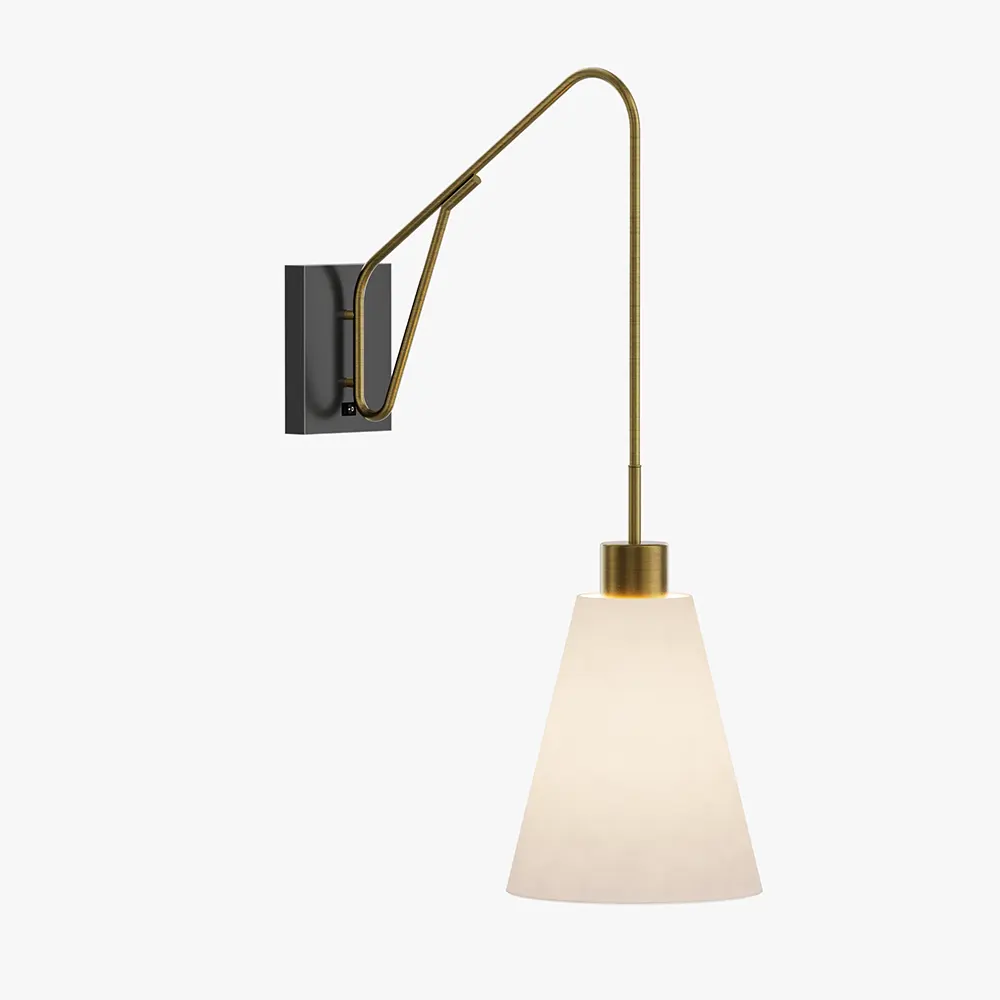
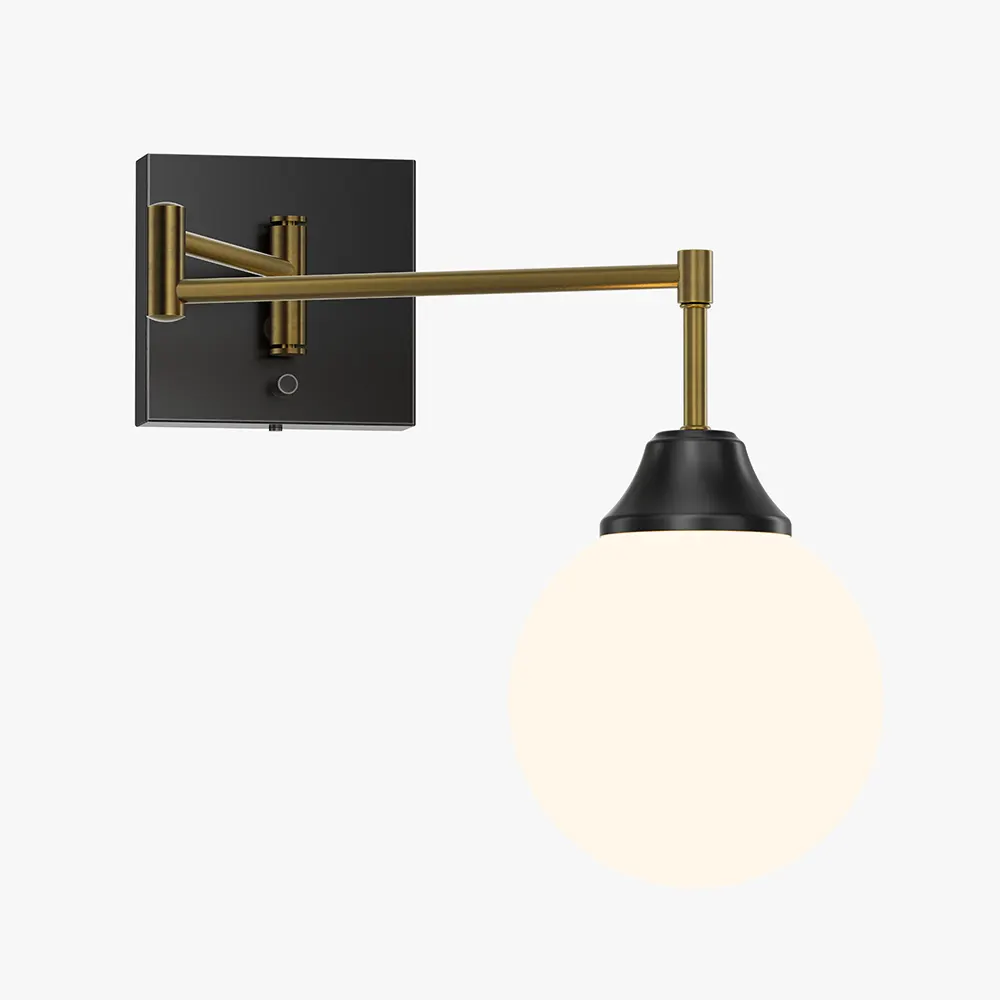
1. Types of Wall Sconces in Hotel Projects
Selecting the appropriate type should be based on function rather than appearance.
| Wall Sconce Types | Specifications and Functions |
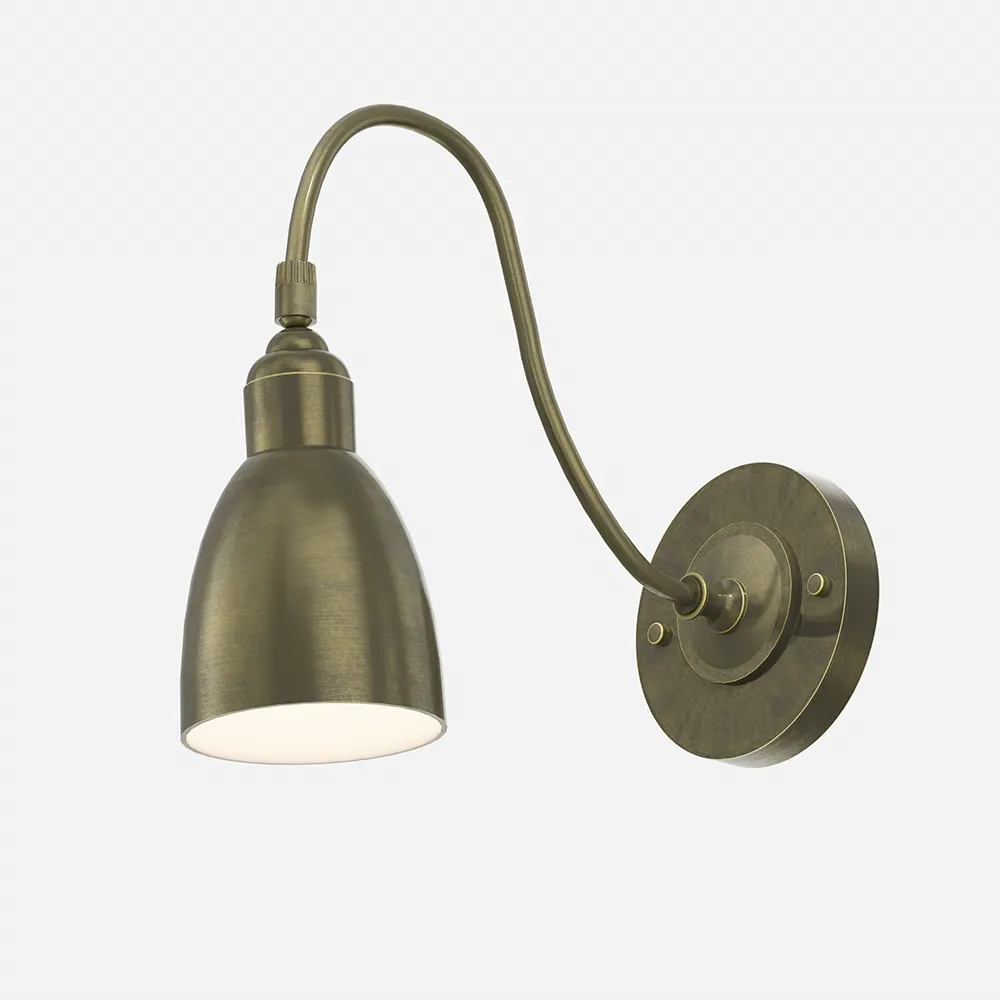
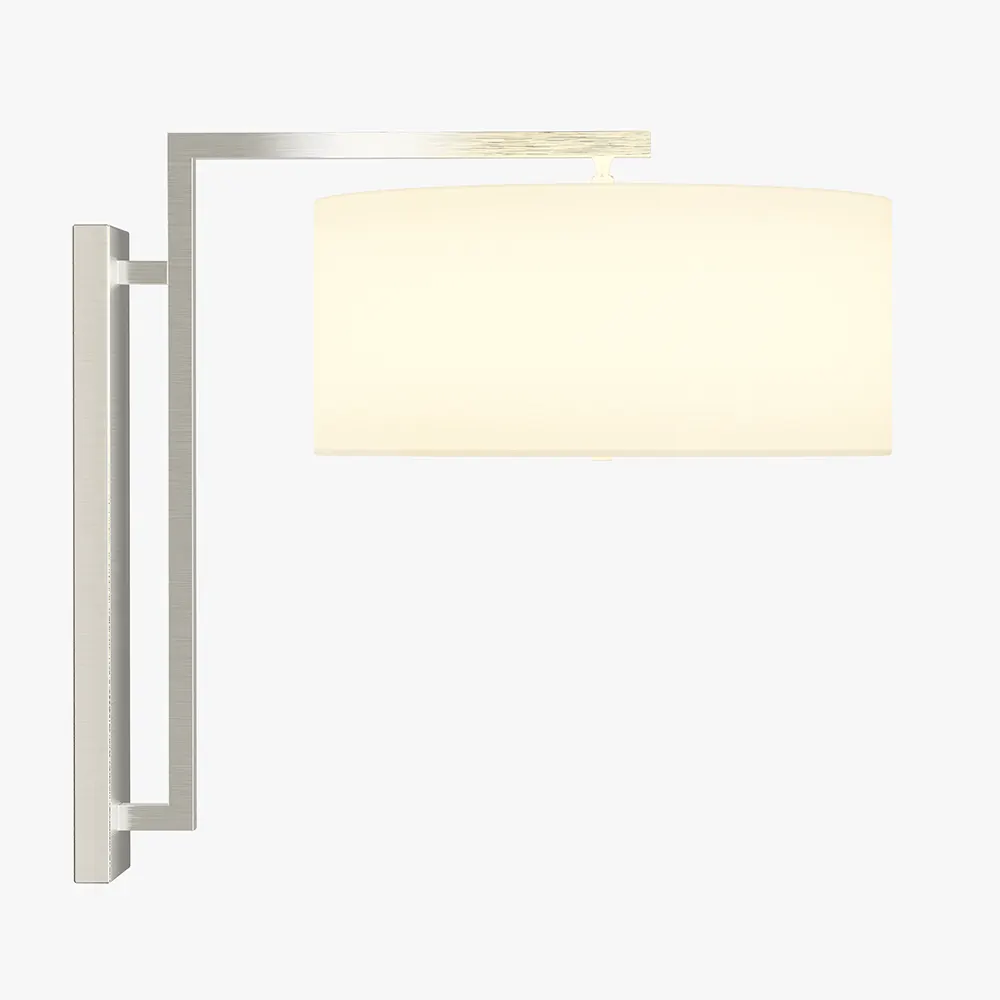
| Fixed Wall Sconces | Provide stable light output and are suitable for public areas such as hallways and lobbies; they have low maintenance costs and facilitate uniform layout. |
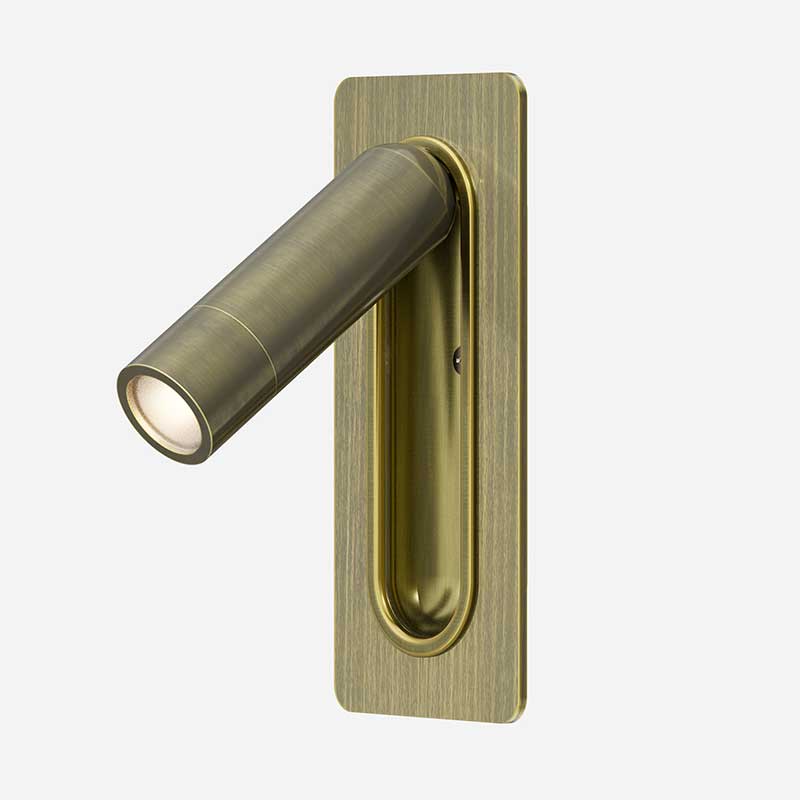
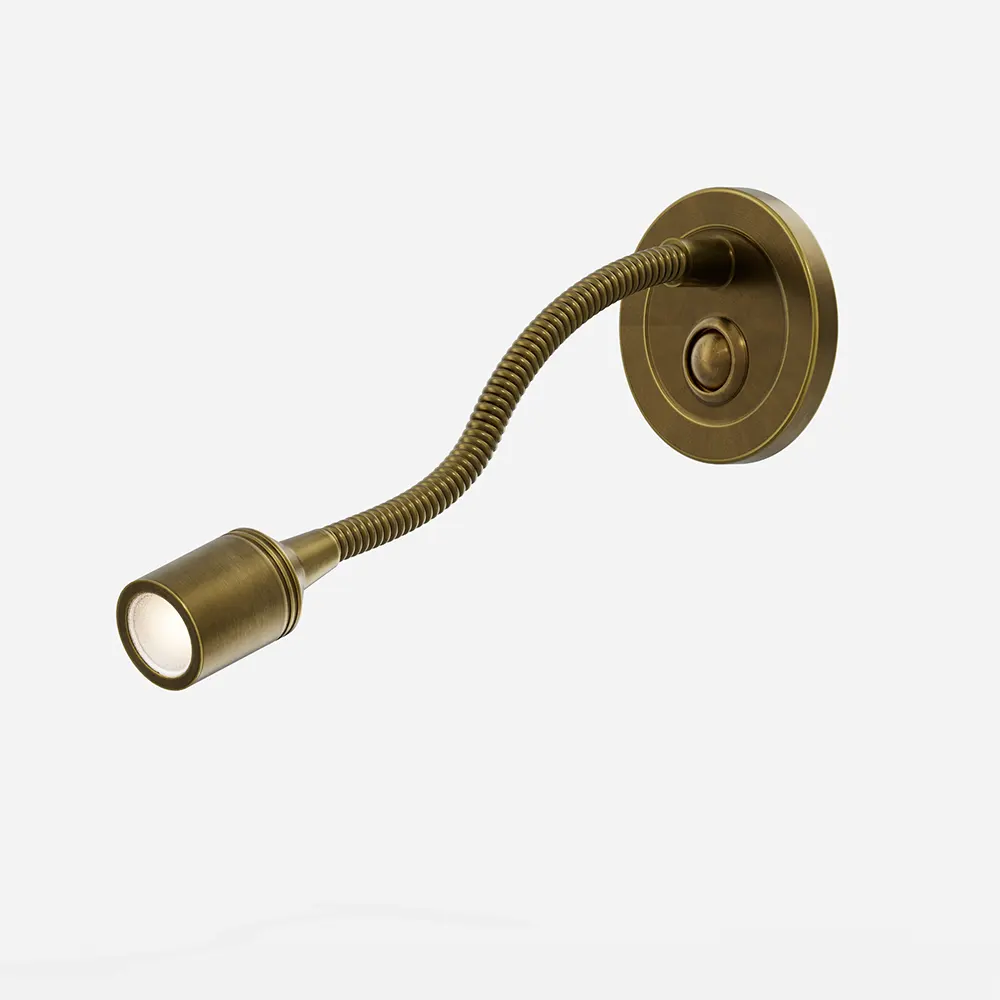
| Adjustable Reading Wall Lamps | Provides precise directional light control; ideal for hotel bedside use, ensuring reading is possible without disturbing roommates. |
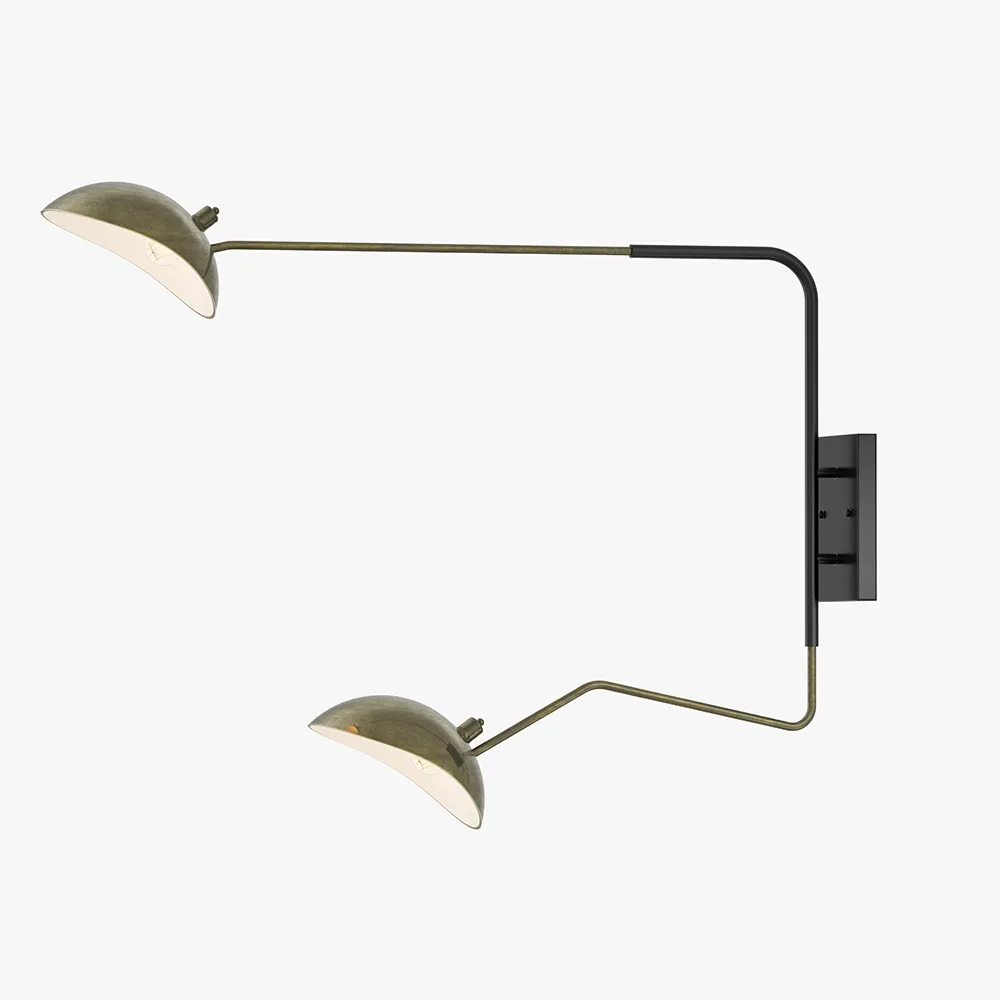
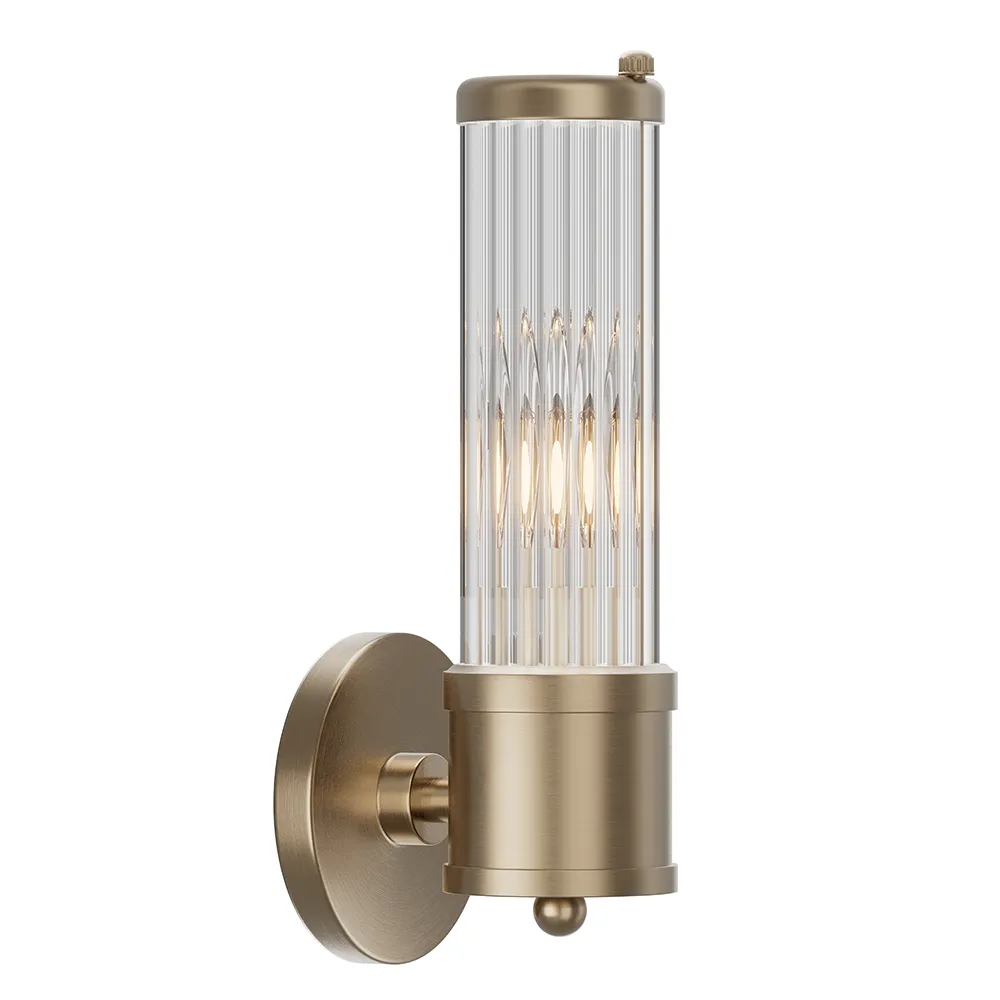
| Decorative Wall Sconces | Focuses on visual impact to enhance brand recognition; commonly found on feature walls, in lobbies, and in luxury suites. |
2. Luminance and Color Temperature Selection
Lighting effects directly impact guest comfort and the hotel’s overall rating.
| Recommended Color Temperatures | 2700K (luxurious ambiance), 3000K (standard guest rooms), 3500K (business environments) |
| Luminance Considerations | A balance must be struck between reading functionality and ambient brightness to avoid glare caused by direct light in the eyes. |
| Common Issues | Glare is often caused by exposed light sources, a lack of optical shielding, or installation positions that are too close to the line of sight |
3. Hotel Guest Room Wall Sconce Installation Guide
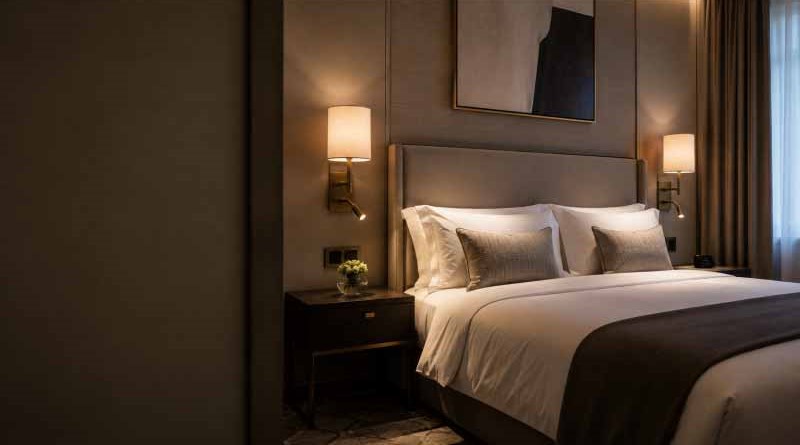
One of the most common issues in hotel lighting installation is improper placement.
| Installation Height | 150 cm – 170 cm above the floor (it is recommended that the top of the lamp be level with eye level) |
| Placement Guidelines | The placement should complement the geometry of the headboard, be within the guest’s natural reach,and ensure symmetry on both sides. |
| Common Mistakes | Insufficient reading light, glare caused by excessive low height, and uneven light distribution due to misalignment. |
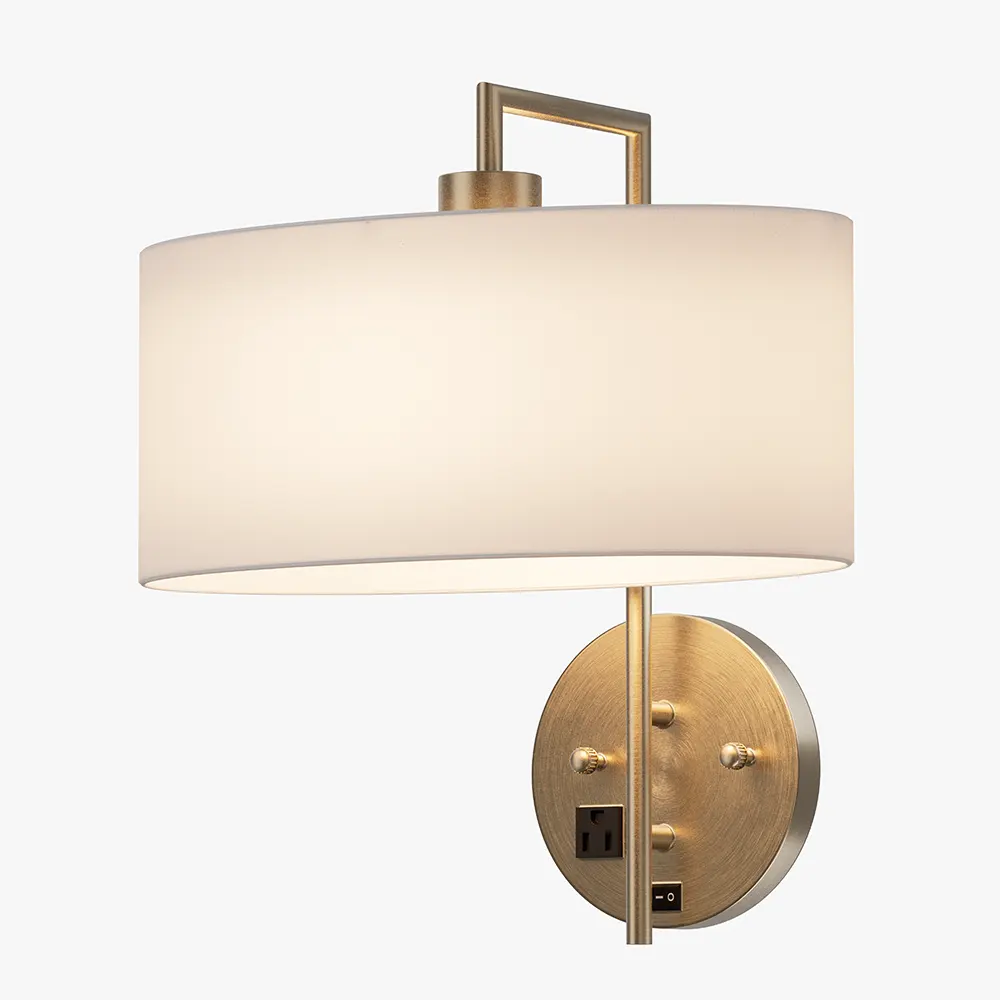
4. Plug-in Wall Sconce vs Hardwired Wall Sconce
This is a critical purchasing decision in hotel lighting projects.
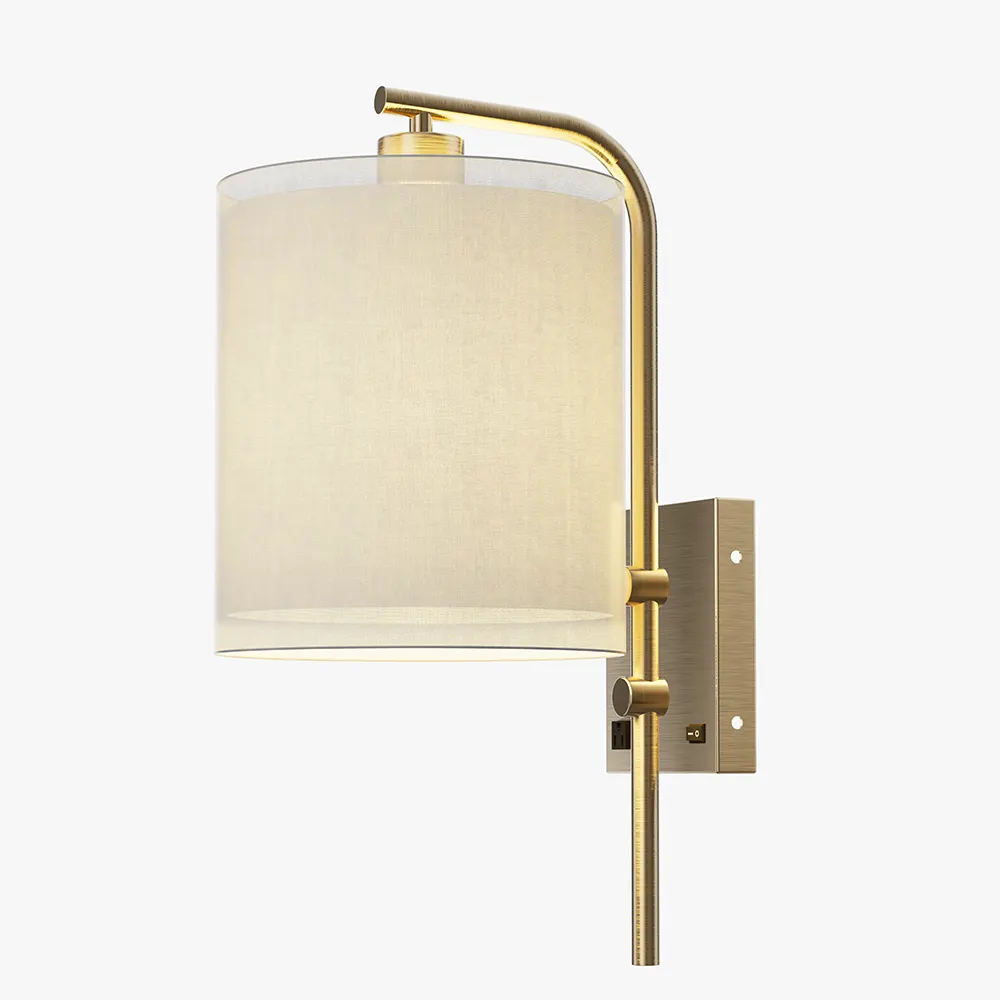
| Differences | Plug-in Wall Sconce | Hardwired Wall Sconce |
| Power Supply | Plug directly into an outlet | Powered by wiring (no outlet required) |
| Installation Method | Plug-and-play (requires an outlet) | Turn off the power, open the cover, connect the wires (live wire: red/brown; neutral wire: blue/black), and replace the cover |
| Applications | Temporary, decorative | Stable, Permanent |
| Features | Easy to install, relies on a power outlet | More cost-effective over the long term; requires periodic inspection |
5. Selection of Materials and Finishes for Hotels
Wall sconces must be able to withstand continuous commercial use.
Common Materials
- Brushed brass
- Matte black steel
- Aluminum Alloy
- Frosted glass
Hotel Service Requirements
Fixtures must be capable of withstanding:
- Frequent cleaning cycles
- Long-term color stability
- Scratch resistance
Consistency requirements
In hotel projects, inconsistencies in finishes can become apparent across multiple rooms and floors, affecting the brand image.
6. Certification Requirements (U.S. hotels must obtain UL/ETL certification)
For U.S. hotels, certification is a compliance requirement.
Key Requirements
Most regulatory agencies require:
A complete UL- or ETL-certified luminaire certificate
Common Misconceptions
UL-certified components are not the same as UL-certified accessories.
Inspectors require:
Certification mark for the complete luminaire
Risks of Non-Compliance
Failure to Pass Inspection
Installation delays
Rework or Replacement Costs
7. How to Evaluate Hotel Wall Sconce Manufacturers
The manufacturer plays a greater role in determining the success or failure of a project than the equipment itself.
Engineering Capabilities
A qualified supplier should provide:
- CAD drawings
- Construction Drawings
- Circuit diagrams
- Installation documentation
- Production capacity
Key Questions:
- Can they support large-scale deployment in hotels?
- Can they maintain a consistent delivery schedule?
- Do they have a structured project management system?
Experience in the Hotel Industry
Experienced manufacturers understand:
- Hotel Construction Schedule
- Coordination of furniture, fixtures, and equipment
- Installation constraints
8. Common Mistakes in Choosing Wall Sconces
Error 1: " ": Prioritizing appearance over selection
Result:
Poor usability
Customer complaints
Renovation Requirements
Mistake 2: Ignoring Installation Conditions
Wall structures and wiring layouts are often overlooked.
Mistake 3: Underestimating the Delivery Timeline
Custom lighting includes:
Engineering
Prototyping
Production
Testing
Logistics
Error 4: Late-Stage Design Changes
Even minor changes can lead to:
New shop drawings
Re-certification
Production delays
Hotel Wall Sconce Shopping List
Before approving production:
Installation height confirmed
Bed alignment has been verified
Electrical system compatibility has been checked
Dimming system defined
UL/ETL requirements have been confirmed
Finished product samples have been approved
Signed construction drawings
Written approval of samples
Production schedule documented
Installation methods have been verified
Conclusion
Selecting wall sconces for a hotel is not merely a matter of aesthetics.
It is a technical and operational decision that affects the guest experience, installation efficiency, compliance risks, and long-term maintenance costs.
The most successful hotel lighting projects treat wall sconces as part of an integrated engineering system rather than as isolated design elements.
By evaluating site selection, electrical systems, certifications, materials, and manufacturer capabilities early in the project, hotel teams can significantly reduce project risks and improve operational performance.