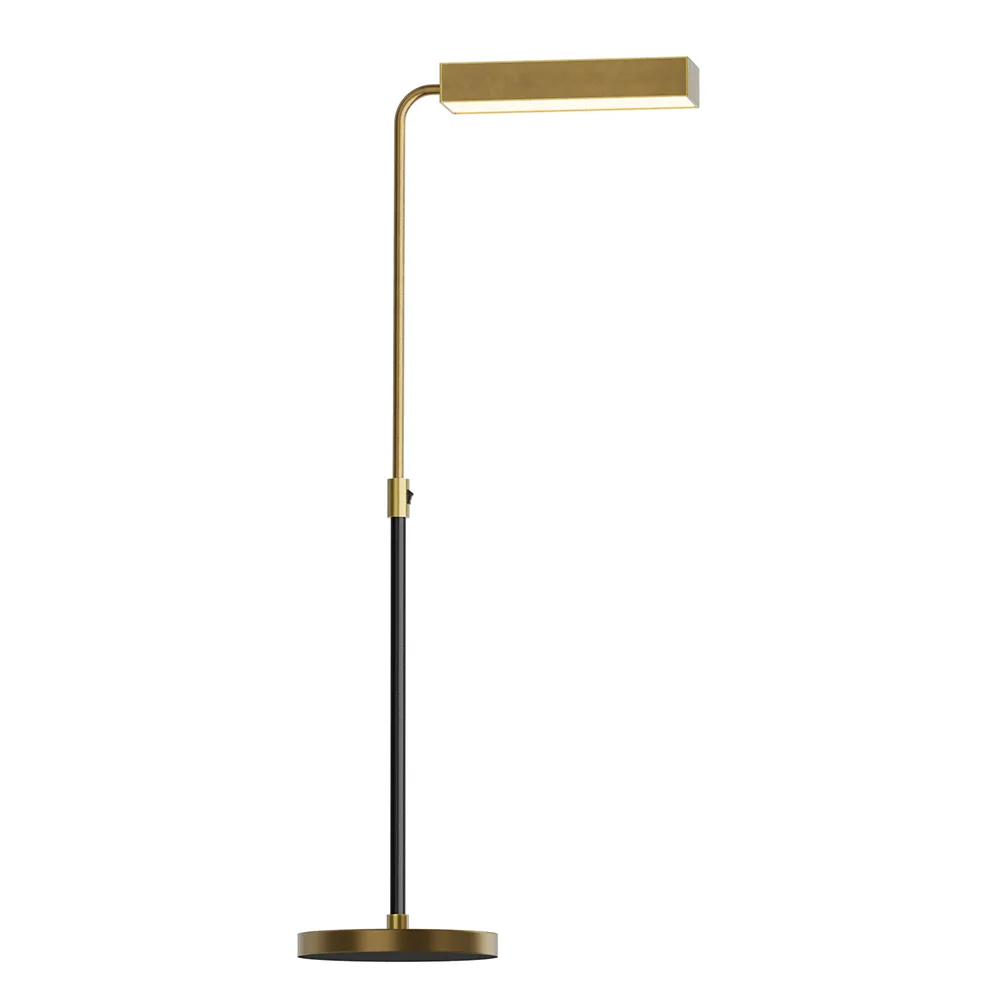
What is a pendant lamp?Types, Applications,and How to Choose the Right One
What is a pendant lamp? This complete guide explains everything you need to know—from pendant lamp types and applications to sizing, installation height, materials, finishes, and expert selection tips for residential, commercial, and hospitality lighting projects.
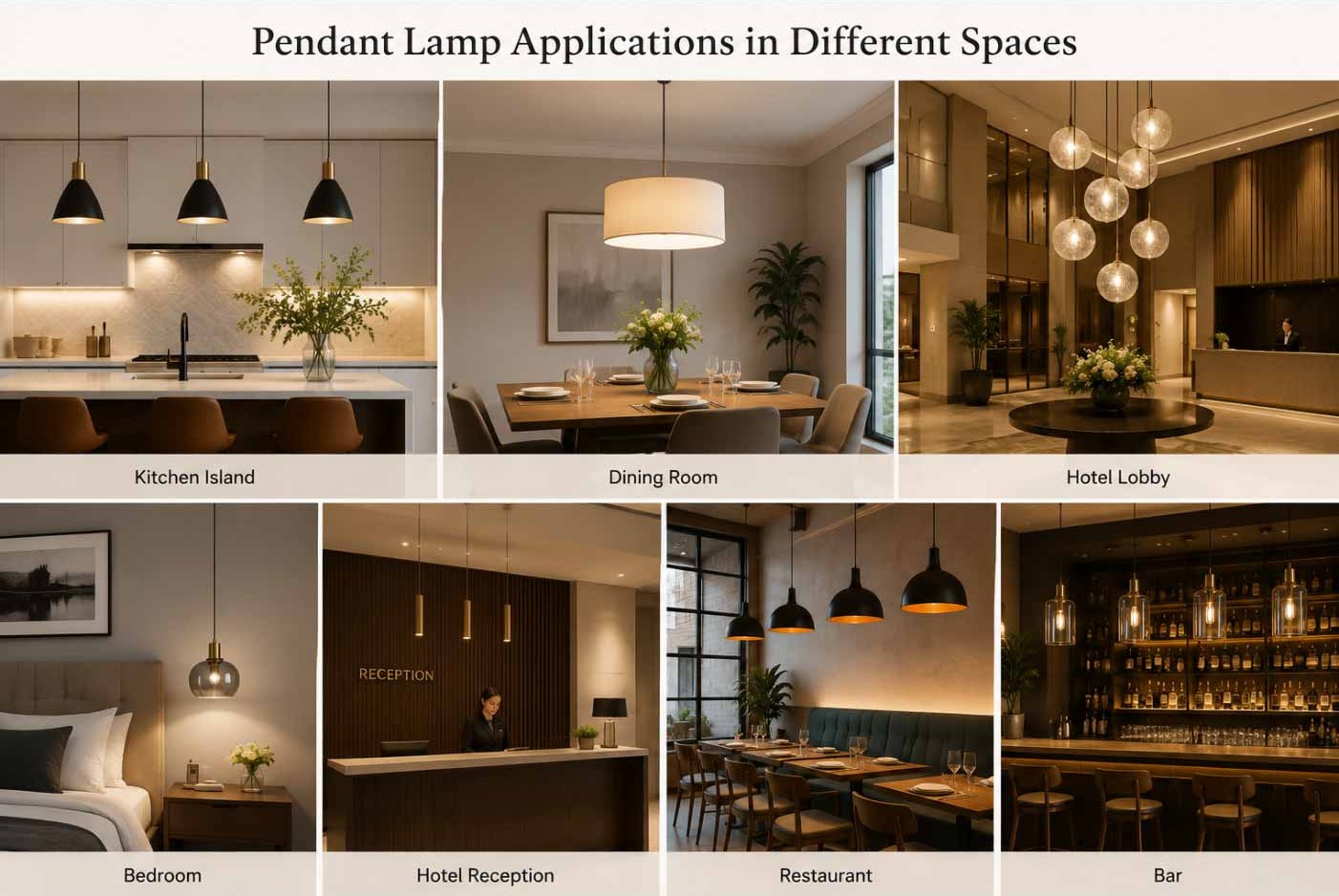
Pendant Lamp are among the most common and widely used lighting fixtures in interior design. From home kitchens and dining rooms to hotel lobbies, guest rooms, restaurants, and reception areas, pendant lights not only provide illumination but also serve as an important element in shaping the atmosphere of a space.
However, many people still have questions when choosing a chandelier:
What exactly is a chandelier?
What are the differences between a pendant lamp, pendant light, and chandelier?
What type of chandelier should be chosen for different spaces?
How to choose the right chandelier based on the size of the space, ceiling height, and decoration style?
This article will provide a comprehensive overview of the definition, classification, application scenarios, and selection methods of chandeliers, helping you make more informed lighting decisions, whether for residential renovations or hotel lighting projects.
What is a pendant lamp?
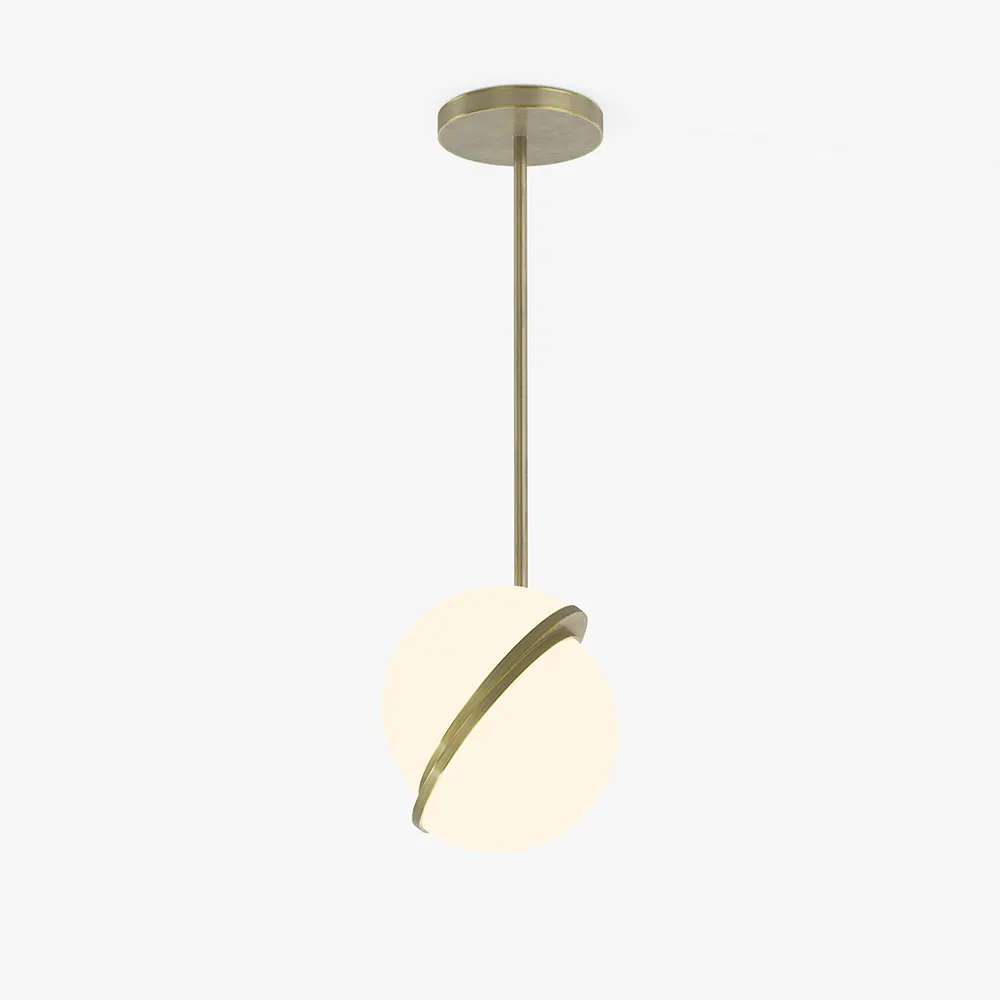
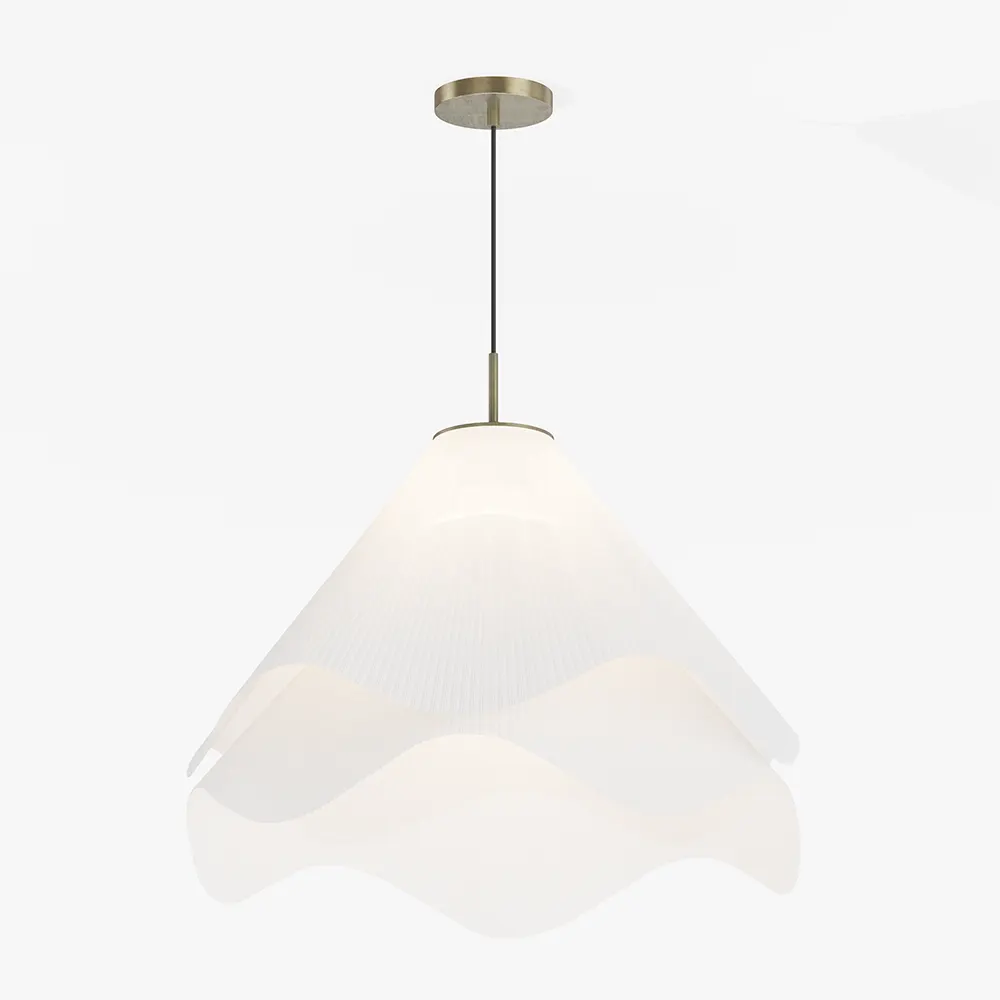
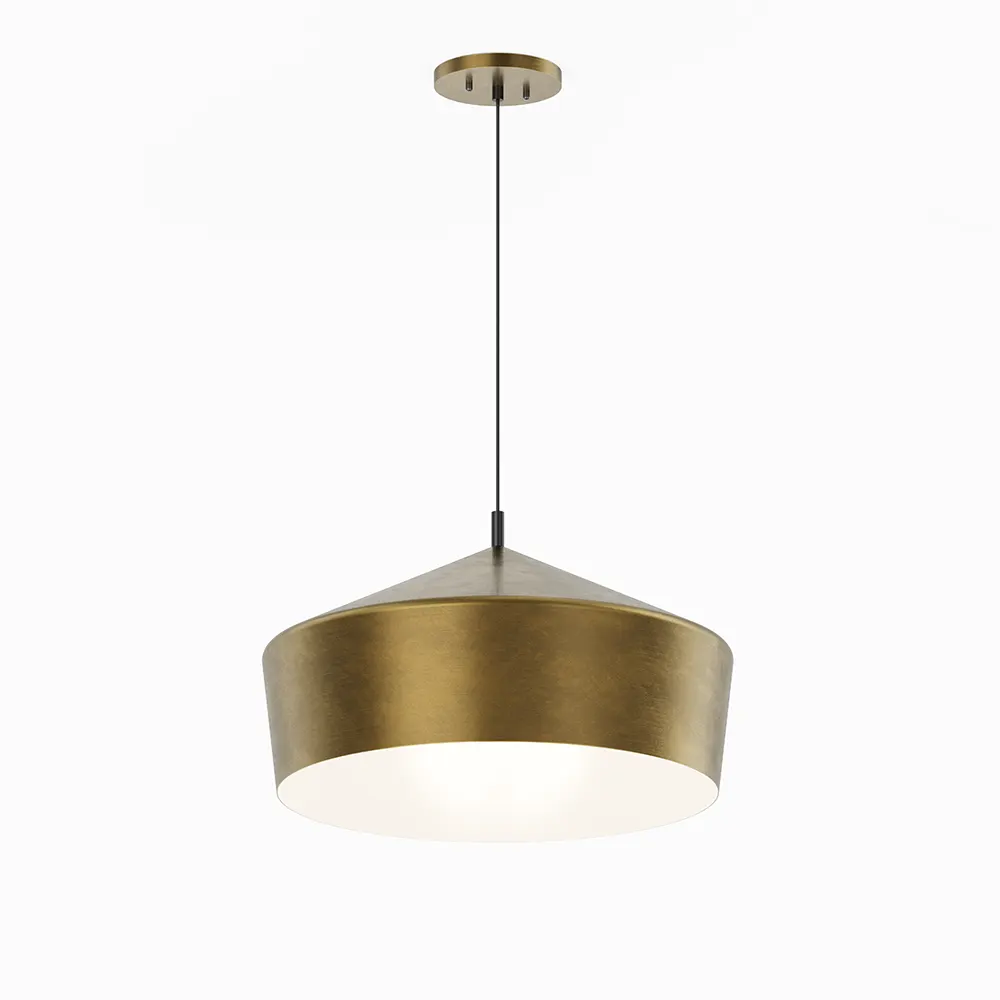
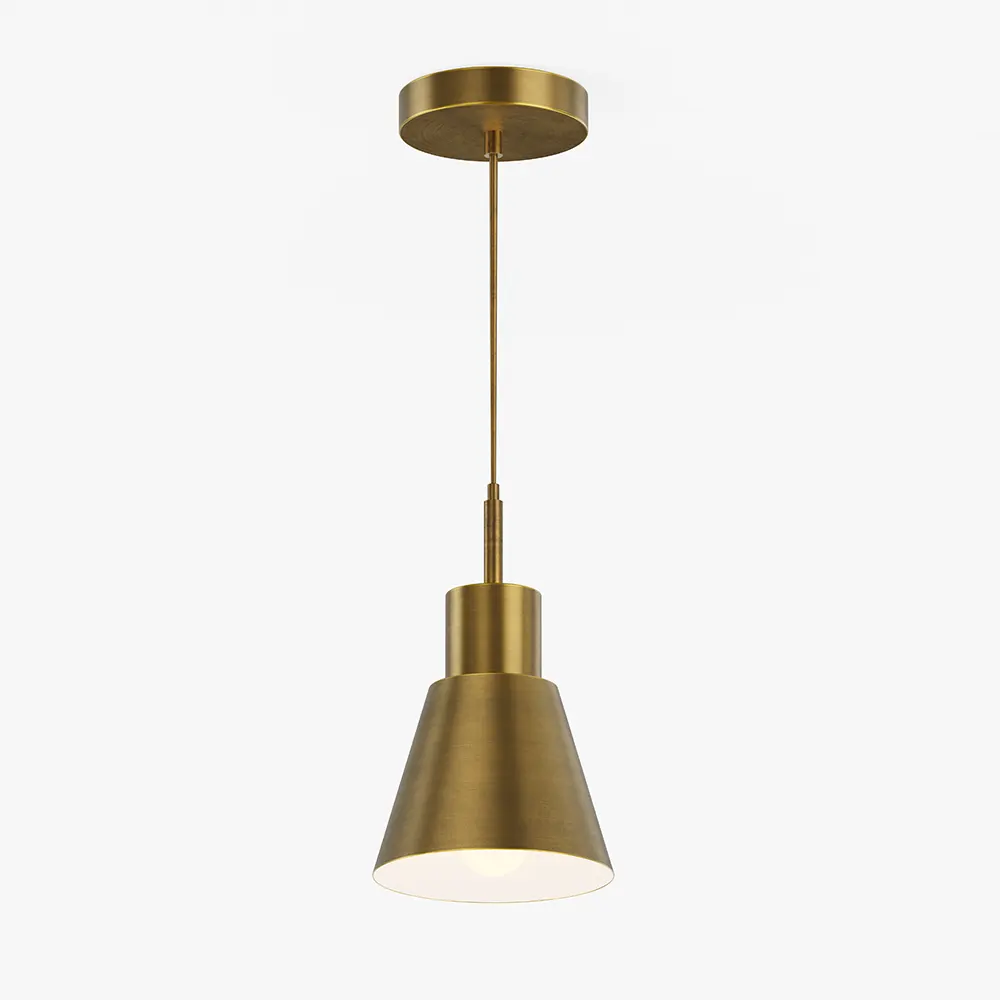
A Pendant Lamp is a lighting fixture that is suspended from the ceiling by a rod, chain, or wire.
Unlike flush-mounted lights, which are installed directly on the ceiling, pendant lights suspend the light source in the space, bringing the light closer to the area being used and thus providing a more precise lighting effect.
Initially, chandeliers were primarily used for task lighting, but they have now evolved into important lighting fixtures that combine illumination and decoration, and are widely used in:
Residential, hotel, restaurant, bar, office, commercial space, retail store
Depending on the design, pendant lights can provide localized lighting or serve as a visual focal point for the entire space.
Why are chandeliers becoming increasingly popular?
Chandeliers offer a wide range of functionalities and design appeal, which is a major reason why they have become a popular choice in modern interior design.
Compared to table lamps and floor lamps, pendant lights don't take up floor or desktop space, and their adjustable height allows for the creation of various spatial layers. Key advantages include:
It saves space, enhances the sense of spatial layering, provides precise lighting, has a variety of styles, can be adapted to various decoration styles, can be combined with downlights, wall lights, and light strips to form multi-layered lighting, and supports customized sizes, colors, and materials.
For hotels, chandeliers not only serve a lighting function, but also enhance brand image, thereby improving the overall quality of the space.
What is the difference between a Pendant lamp, Pendant light, and Chandelier?
While all three expressions refer to chandeliers, many people assume they refer to the same product. However, there are some differences between them.
| Type | Feature | Common Applications |
| Pendant Lamp | Single pendant light fixture | Kitchen, dining room, guest rooms |
| Pendant Light | Generally refers to all suspended lighting | Home and commercial spaces |
| Chandelier | Multi-source, large-scale decorative lighting fixtures | Hotel lobby and banquet hall |
In short:
Pendant Lamp: Emphasizes the individual light fixture;
Pendant Light: This is a broader term;
Chandelier: This refers to large decorative chandeliers.
Hotels typically use large Chandeliers in the lobby, while pendant lamps are more commonly used in guest rooms, restaurants, bars, and reception areas.
Common types of chandeliers
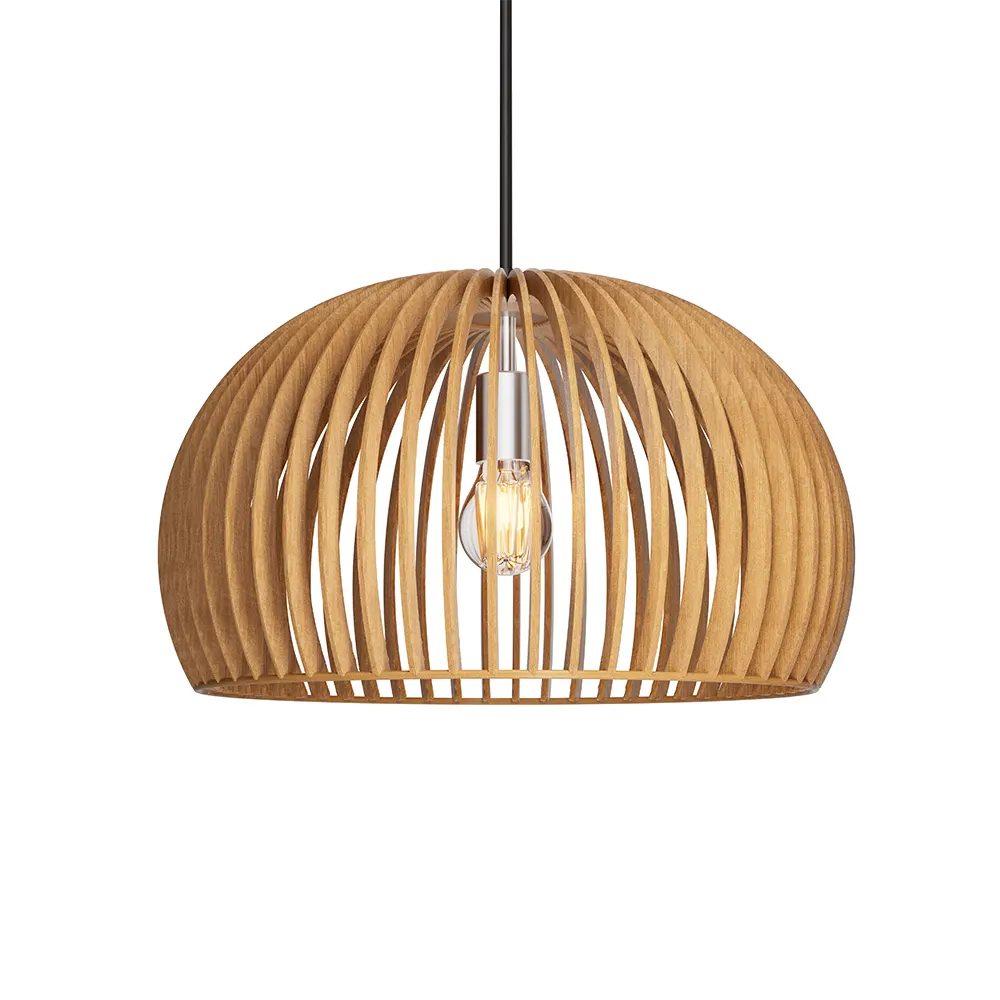
Single Pendant--------It has a simple structure and is easy to install.
Applicable to--------bedside---dining table---bar---Reception Desk
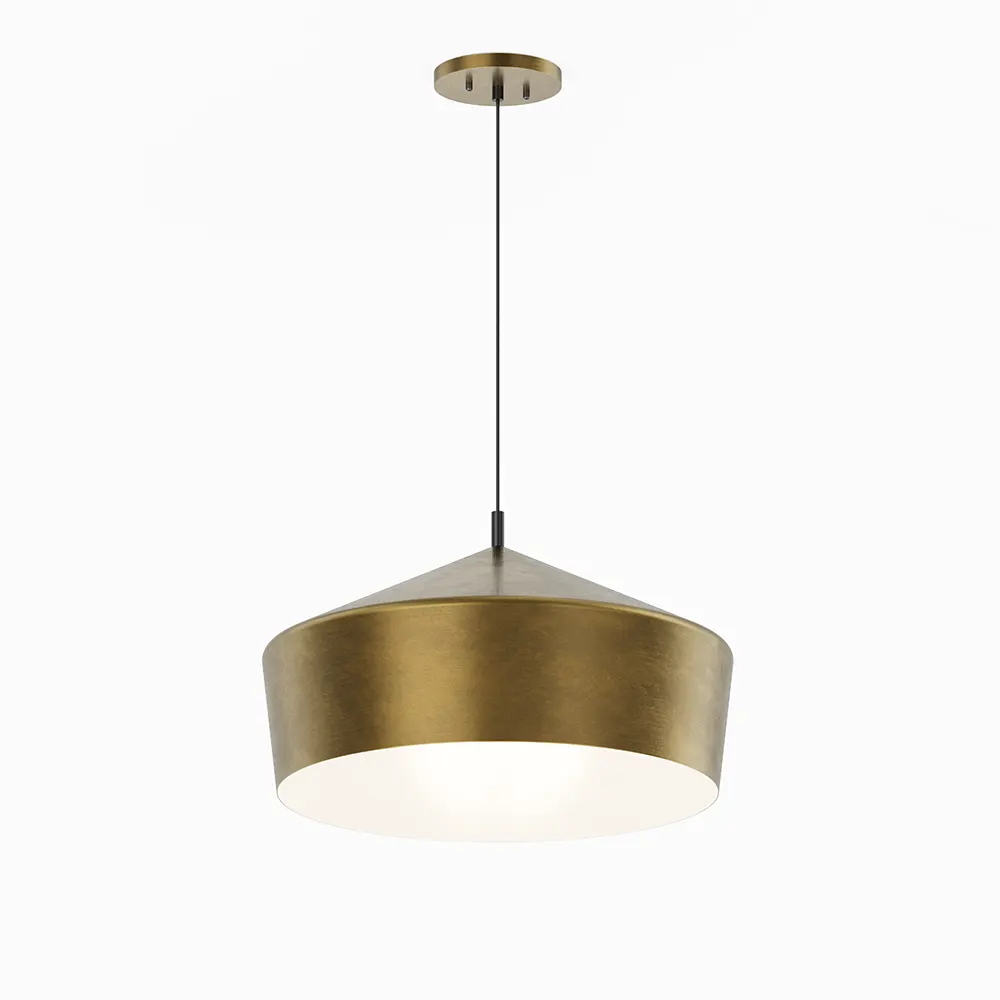
Mini Pendant--------They are small in size and are usually installed in groups.
Applicable to--------Taiwan---Breakfast---coffee shop---Hotel washbasin
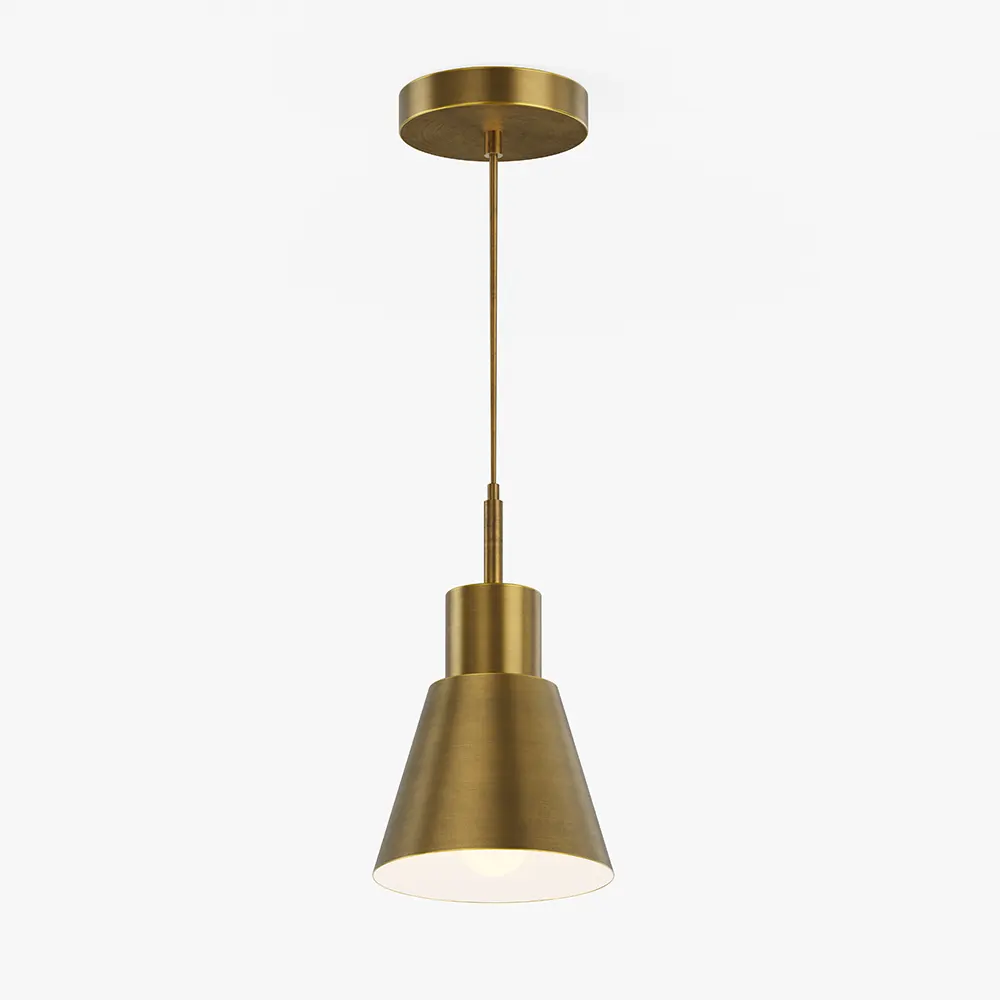
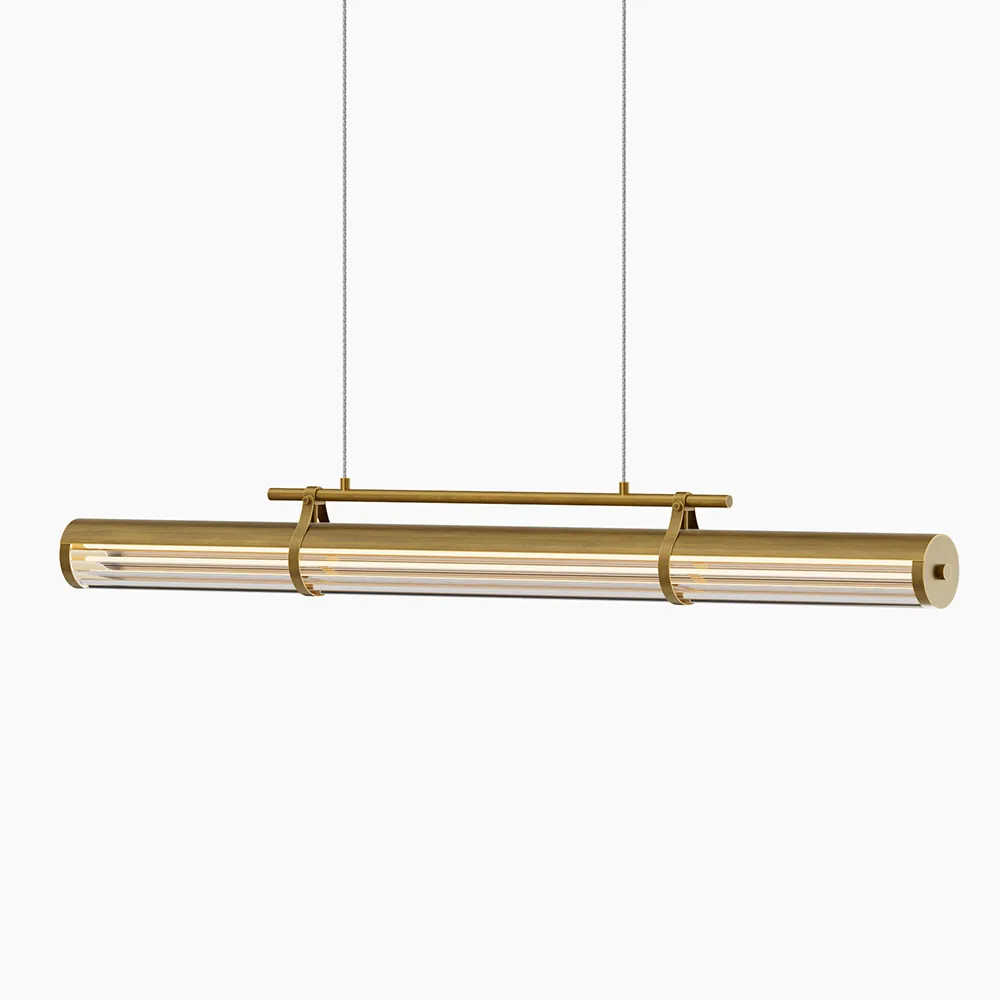
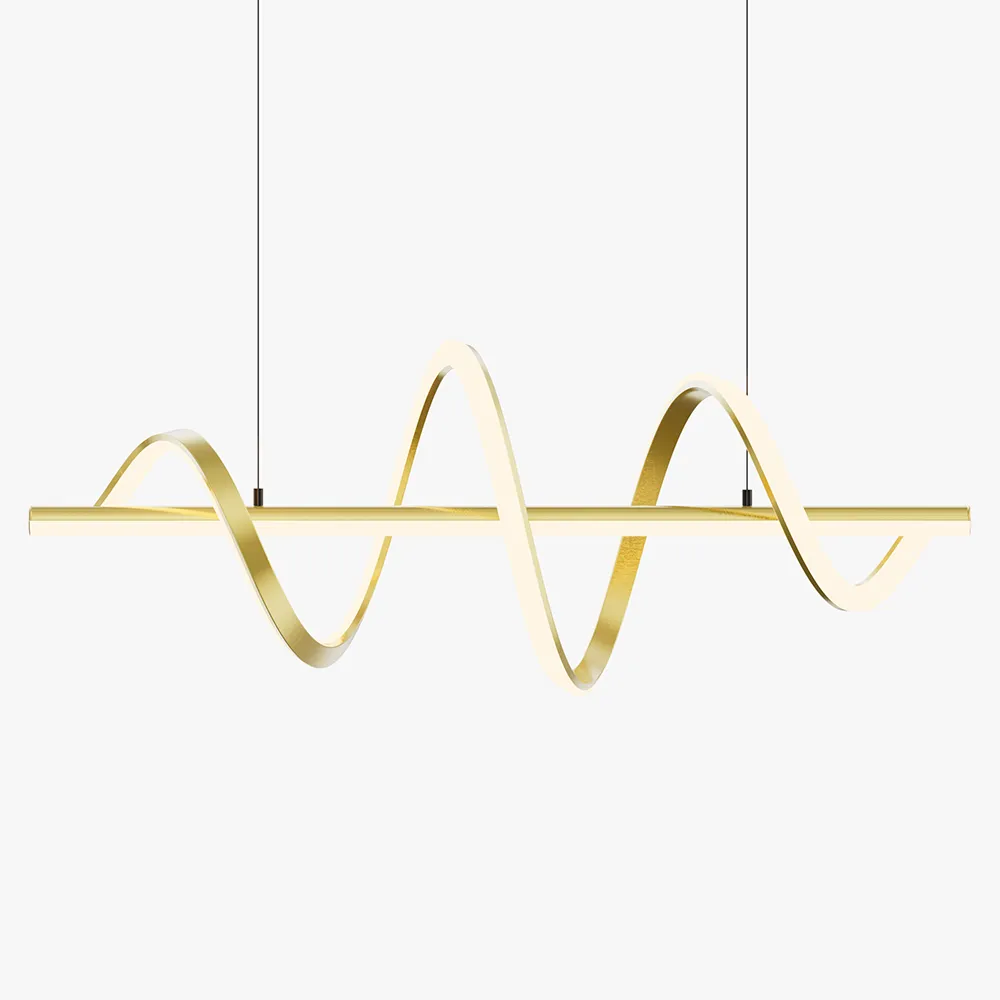
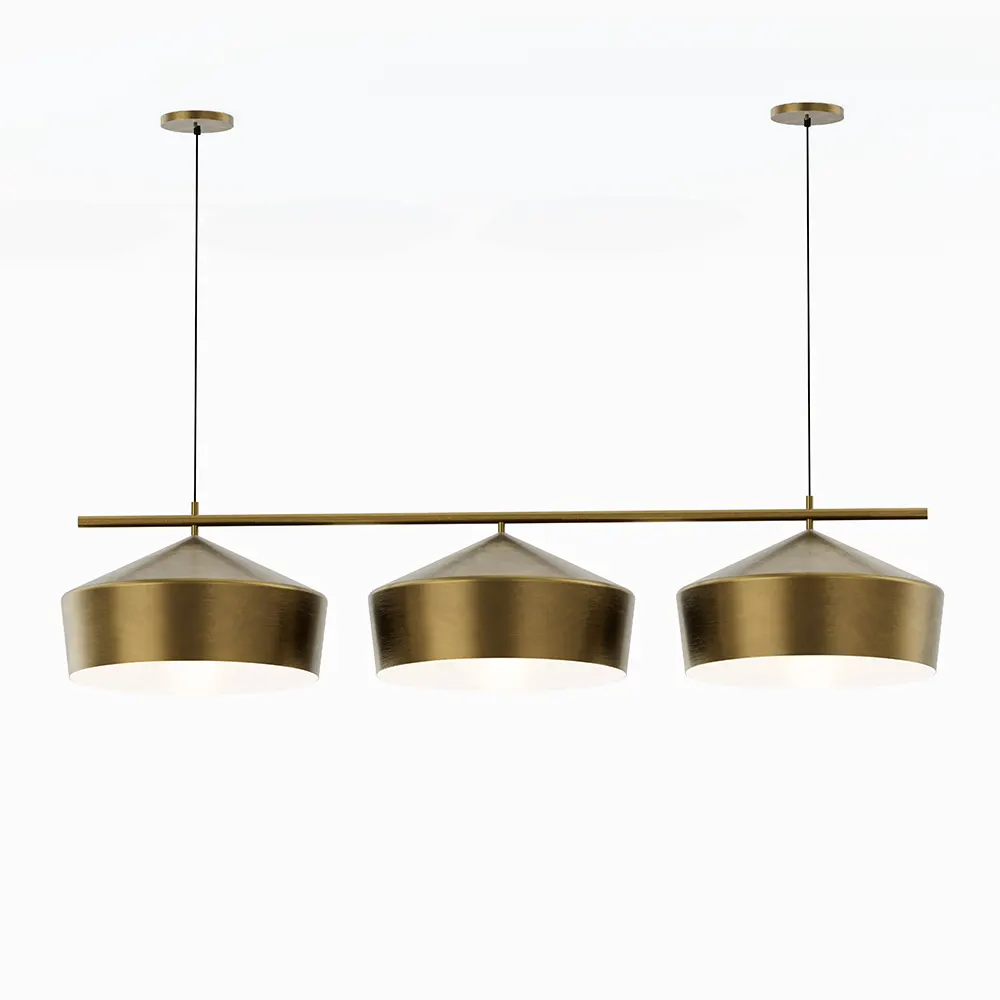
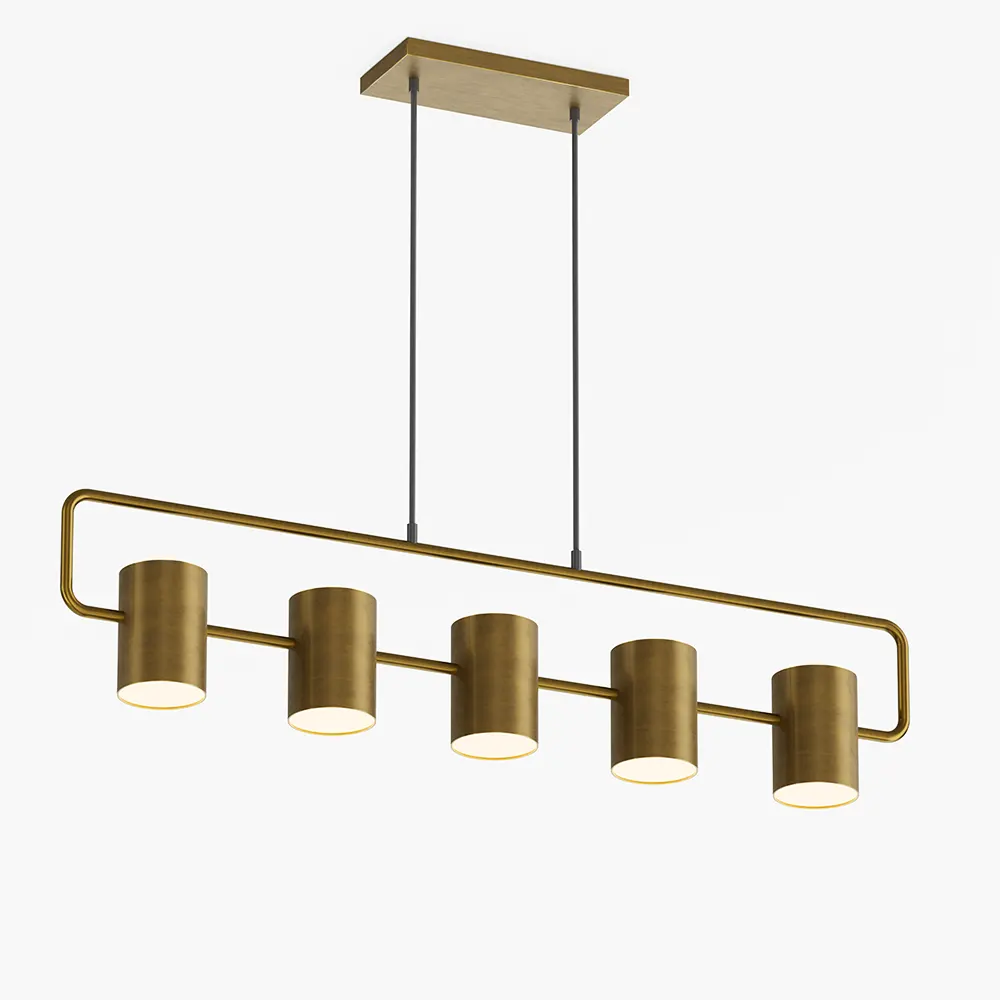
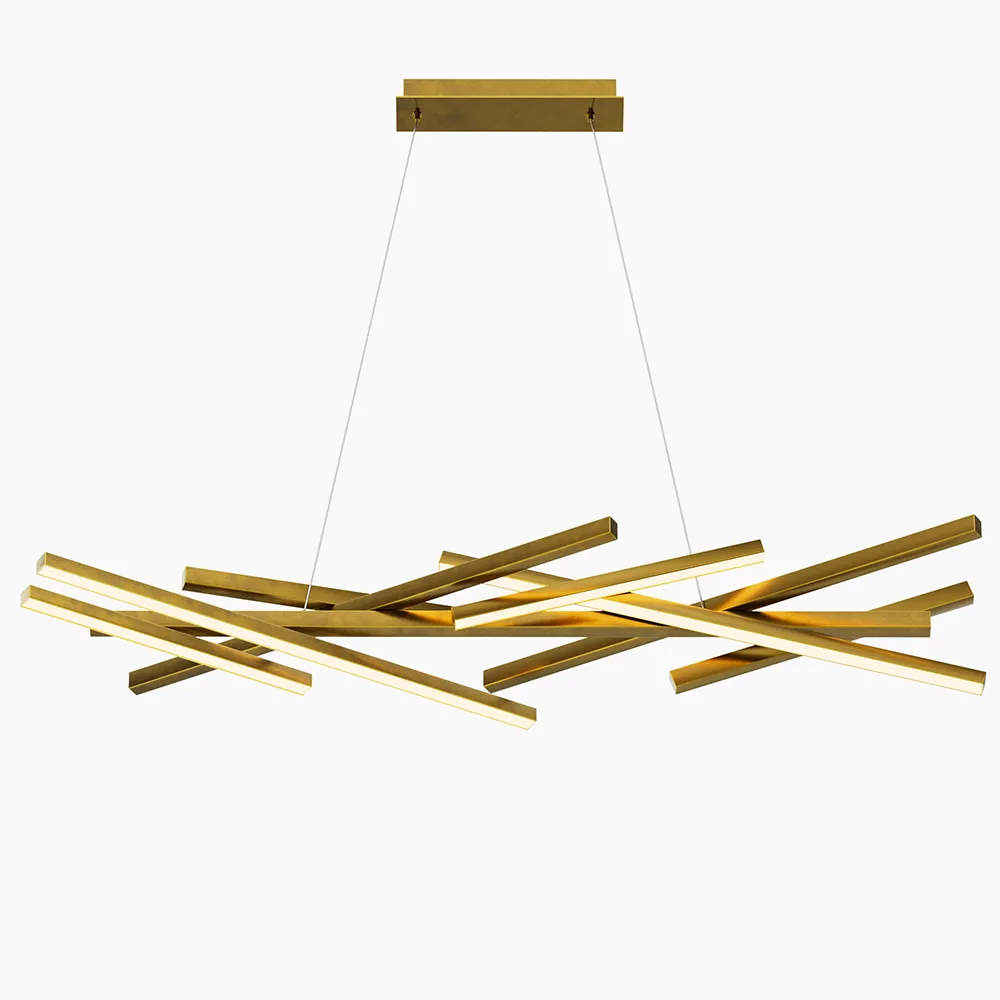
Linear pendant light--------Its elongated design allows for even illumination of the long table.
Applicable to--------Conference table---dining table---front desk---Hotel Reception
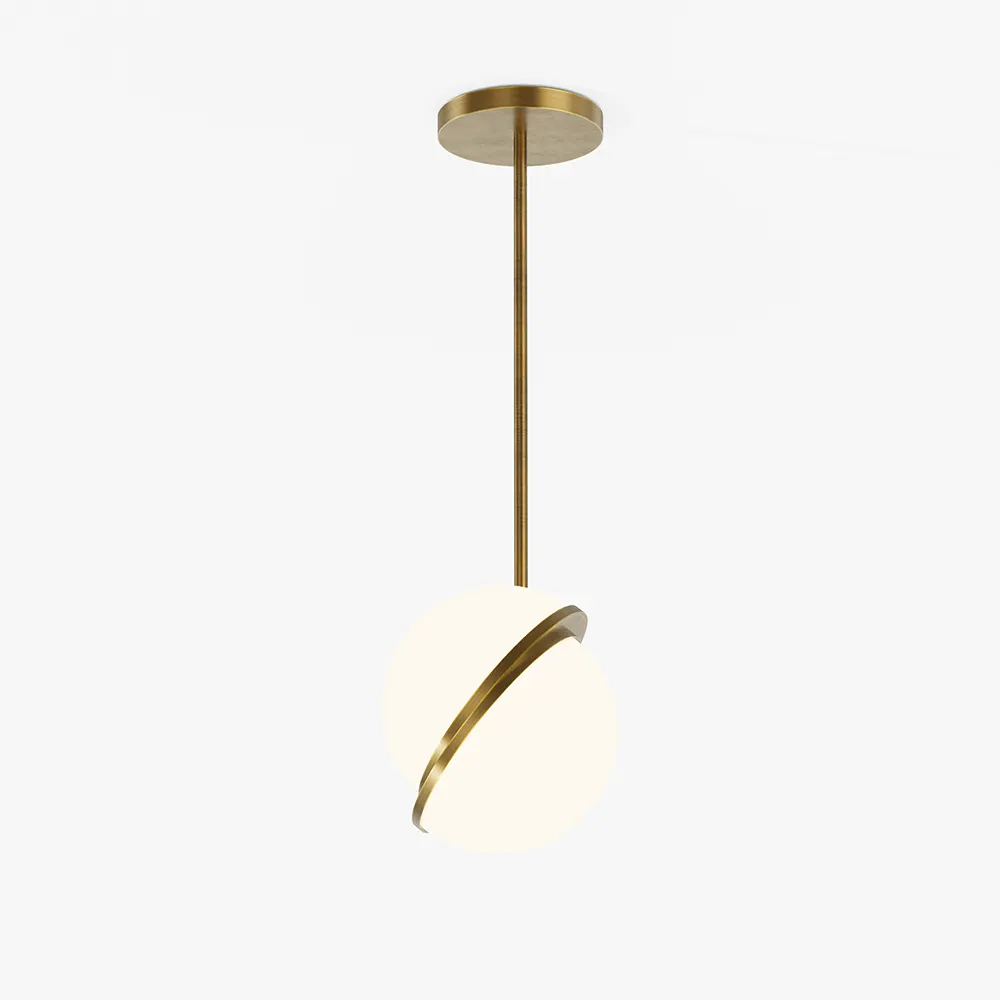
Globe Pendant--------Use glass, acrylic, or metal spherical lampshades.
Features-------Soft light---Strong sense of modernity---Suitable for residential and hotel use
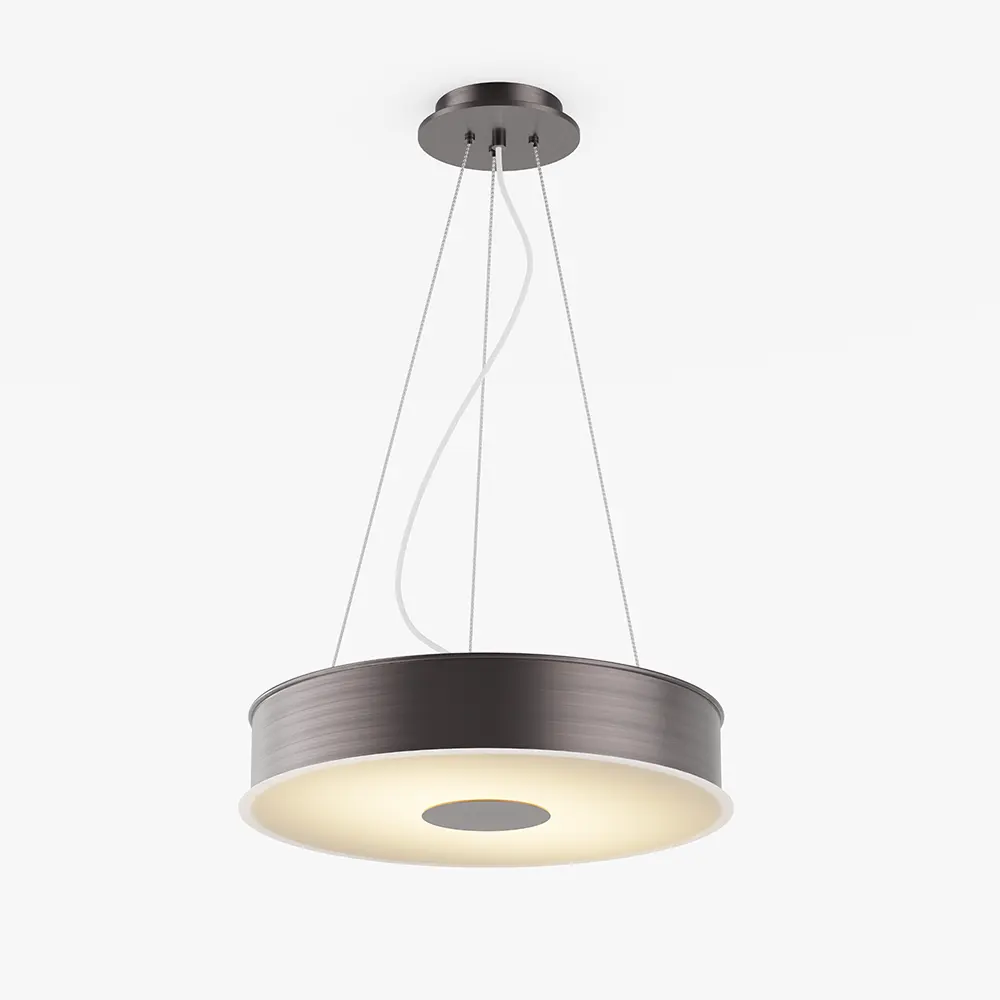
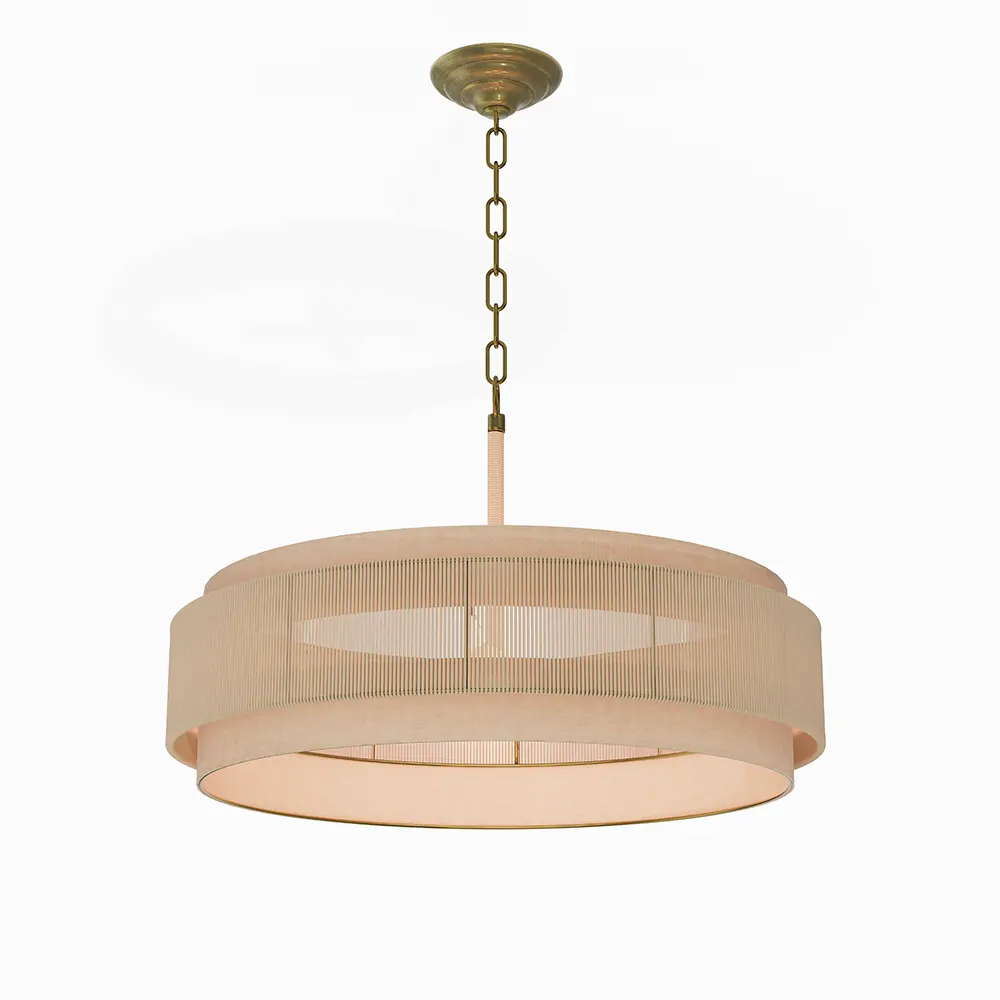
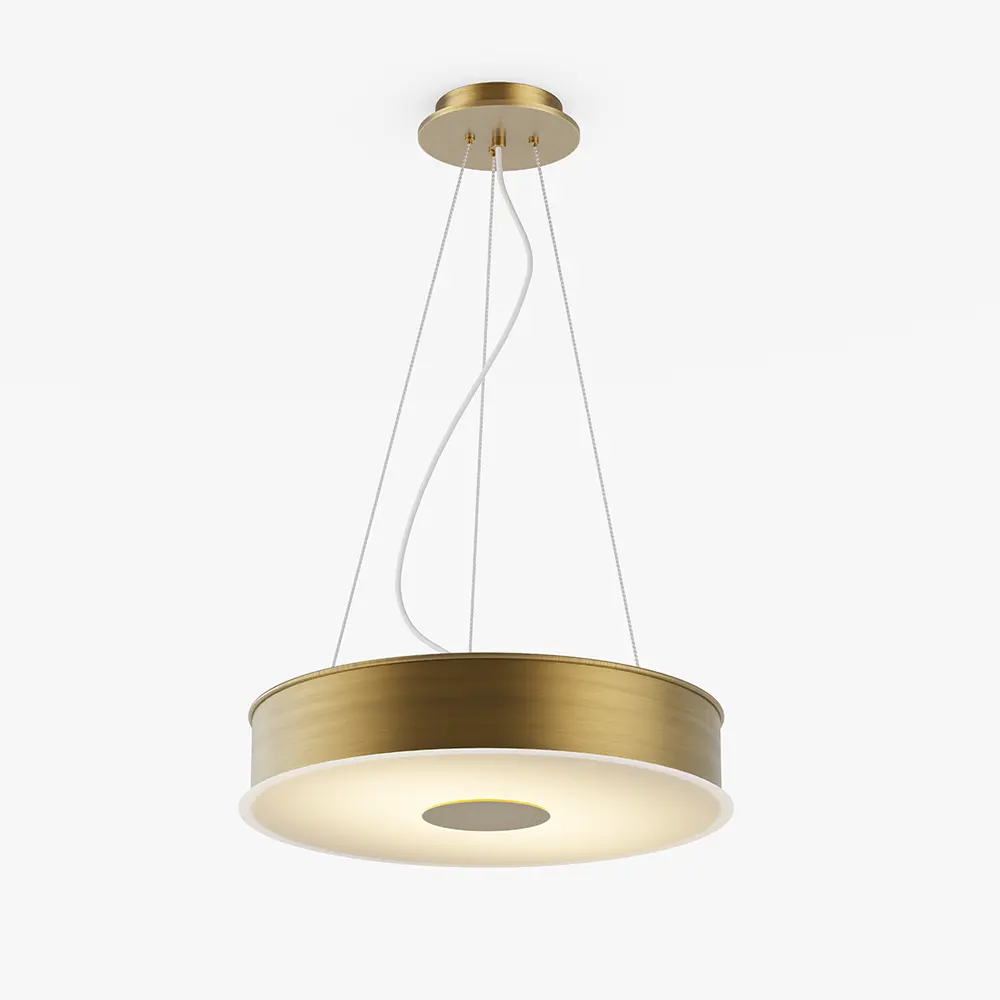
Drum Pendant--------Cylindrical lampshade design.
The commonly used method is--------Fabric---flax---Metal
Applicable to--------Guest Room---Hotel Suite---Lounge
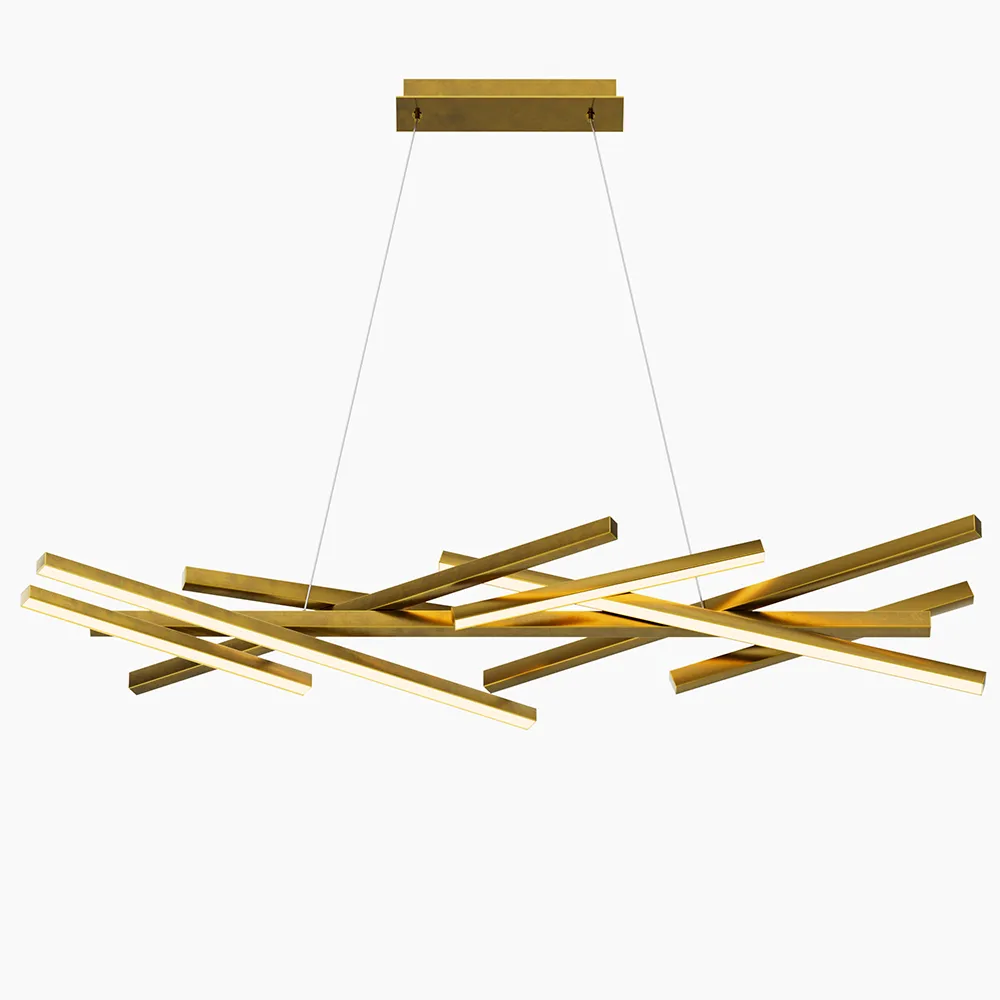
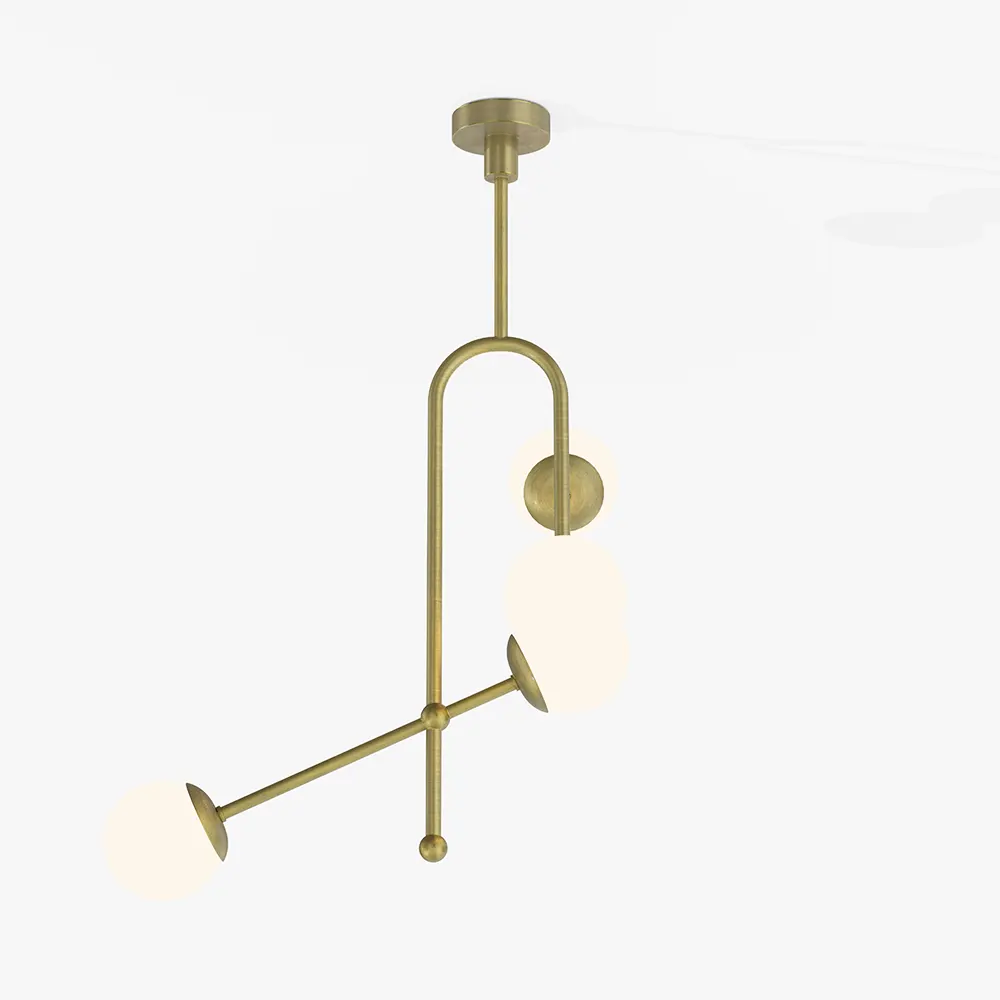
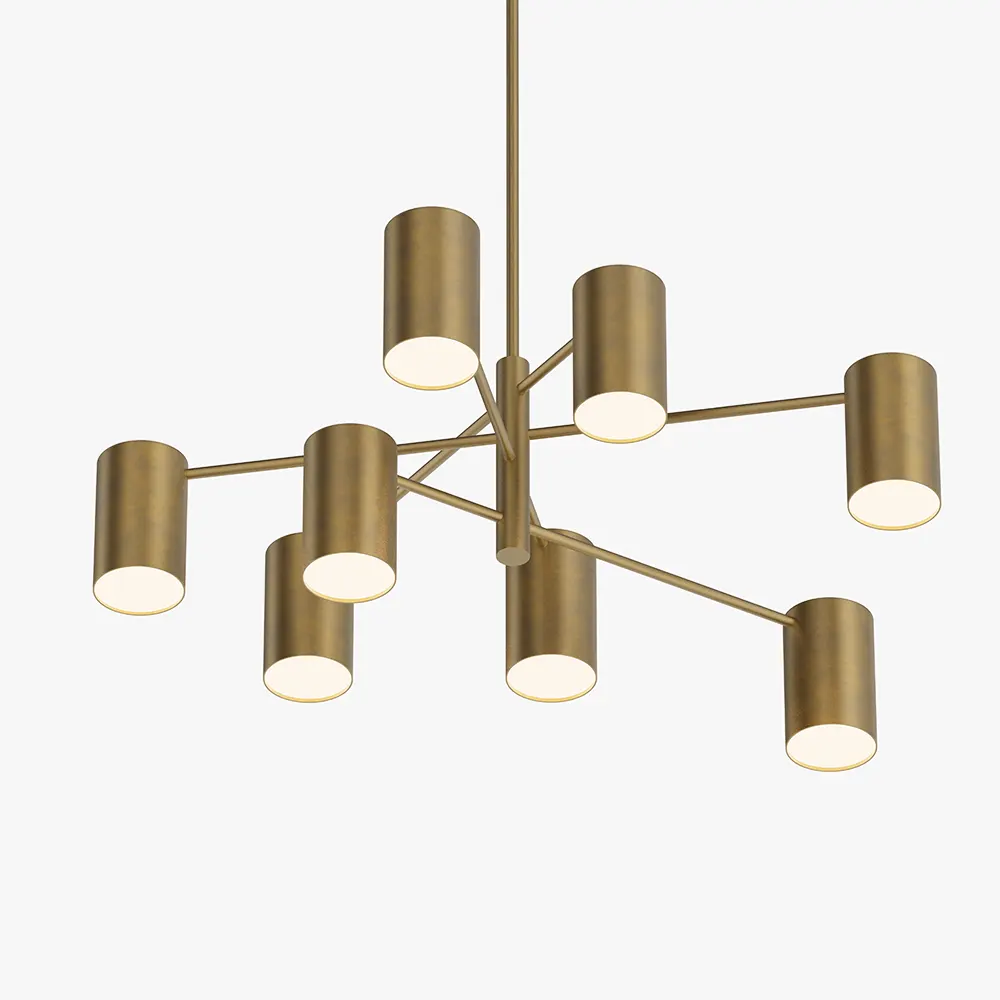
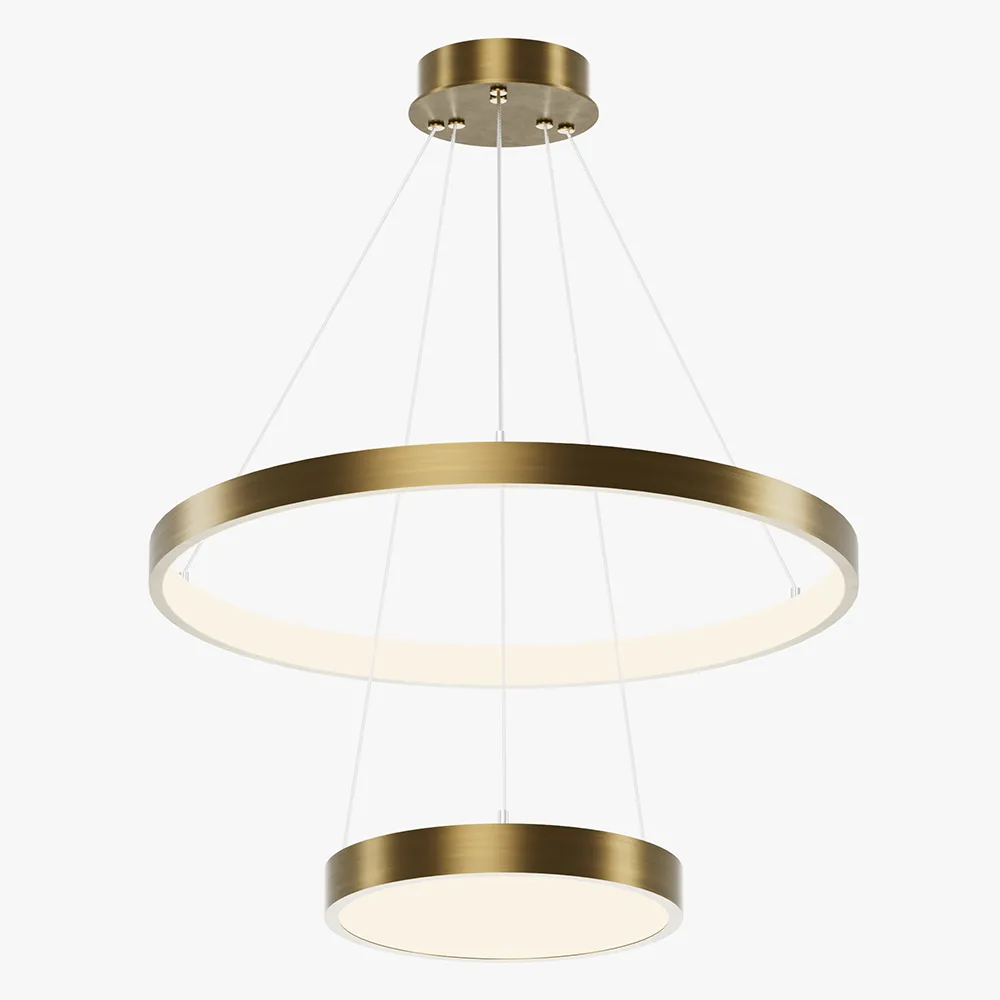
Cluster Pendant--------Multiple chandeliers are combined to form an artistic design.
Widely used in--------Hotel Lobby---courtyard---stairwell---High ceiling space
What types of spaces are suitable for pendant lights?
Home space
The most common installation locations in residential homes include:
kitchen、Dining room、living room、bedroom、entryway、study
Different areas serve different lighting purposes, so the size, height, and light source selection of chandeliers will also vary.
Commercial space
In commercial projects, chandeliers not only provide lighting but also serve as a means of brand display.
For example:
Dining room、coffee shop、office、shop、Exhibition Hall
A well-designed chandelier can improve the customer experience and enhance the spatial identity.
Hotel Lighting
The hotel industry is also one of the industries where chandeliers are most widely used.
Some common installation areas include:
Hotel Lobby、front desk、Guest Room、Dining room、bar、Lounge、Meeting room、suite
Compared to some standard products, more and more hotels are looking for suitable suppliers to adopt custom pendant lighting to match their brand positioning and interior design style.
How to choose the right Pendant Lamp?
Choosing the right Pendant Lamp involves more than just looking at its appearance; you also need to consider factors such as the space where it will be used, its size, its lighting effect, and its maintenance costs.
Choose according to floor height------The ceiling height determines whether a chandelier is suitable for installation.
| High-rise space | You can choose designs with large chandeliers or long hanging rods. |
| Ordinary residential | Suitable for short booms or adjustable boom models |
Choose according to size--------The size of the chandelier must be in proportion to the space.
| Room space | Room size | Recommended chandelier diameter |
| small space | Within 10 square meters | 40-45cm |
| medium space | 10~15 square meters | 50-60cm |
| large space | 15~12 square meters | 60-80cm |
Eg---Living room light fixture dimensions
Light fixture diameter = (room length + room width) ÷ 12
For example, if the living room is 5 meters long and 4 meters wide, then the chandelier should be around 75 centimeters in size.
Important reminder! If the light you are interested in is a combination chandelier or an irregularly shaped chandelier, the dimensions in the formula can be adjusted appropriately according to the actual situation.
Note: If the size is too large, it will create a feeling of oppression; if the size is too small, it will not be able to form a visual center.
Select according to installation height--------The installation height varies depending on the space.
| Installation location | Recommended height |
| Dining table | 75-90cm from the desktop |
| Taiwan | 85-90cm from the countertop |
| Bar | 100-110cm from the countertop |
| Hotel Front Desk | A distance of 95-110cm from the tabletop ensures unobstructed vision between people. |
| Lobby | ≥ 270cm from the ground (reference) Determined based on floor height |
A suitable height not only affects the lighting effect, but also the overall proportion of the space.
Choose according to material--------Different materials create different styles.
Commonly included---Brass、Steel、Aluminum、Glass、Marble、wood、Fabric
Note: Hotel projects typically focus more on durability, maintenance costs, and consistency in mass production.
Select based on surface treatment--------Common Finish tools include:
Matte Black、Satin Brass、Brushed Nickel、Antique Brass、Bronze、Chrome
A consistent surface finish enhances the overall design harmony. Maintenance costs are equally important for both hotels and commercial spaces, considering the need for long-term upkeep.
Recommended choice:
Easy-to-clean structure, replaceable LED modules, repairable drivers, and corrosion-resistant surface treatments all contribute to reduced long-term operating costs.
The most common mistakes to make when choosing a chandelier, and the following problems occur in many projects:
The following issues can be avoided in advance: the chandelier is too small, installed too high or too low, ceiling height is ignored, color temperature is incorrect, dimming needs are not considered, maintenance is difficult, and only the appearance is considered while the lighting effect is ignored. Avoiding these problems in advance can prevent rework and additional costs.
The role of chandeliers in hotel lighting design
In hotel design, chandeliers are not only responsible for lighting, but also play an important role in shaping brand image and spatial experience.
For example:
Lobby chandelier creates a first impression
Restaurant chandeliers enhance the dining atmosphere
The guest room pendant lights provide reading and ambient lighting.
Bar pendant lights enhance the spatial hierarchy
The chandelier in the reception area highlights the brand's style.
For customized hotel lighting projects, designers also need to take into account factors such as size, materials, ease of maintenance, energy consumption, and coordination with the overall lighting scheme.
Chandelier Buying Checklist
Before finalizing the procurement or installation, it is recommended to confirm each item:
Does the size of the chandelier match the space?
Is the ceiling height suitable?
Is the installation height reasonable?
Does the surface treatment match the overall decoration style?
Does the lighting range meet the requirements?
Do you need a dimming function?
Is it easy to maintain in the future?
Does it meet the project budget and design requirements?
Summarize
A chandelier is not just a light hanging from the ceiling; it is an important component that influences the atmosphere of a space, the lighting effect, and the overall design.
Whether it's home decoration, commercial space, or hotel lighting projects, choosing the right chandelier requires comprehensive consideration of space dimensions, installation height, materials, surface treatment, lighting needs, and subsequent maintenance.
When these factors are in harmony, a chandelier can not only provide comfortable lighting, but also become the visual focal point of the entire space, bringing a better experience to the user.